Magnesium vs Aluminum: Weight, Strength, Price & Alloy Comparison
_1774518027_WNo_1600d900.webp)
When engineers and product designers compare magnesium vs aluminum, the conversation quickly moves beyond simple weight charts. Both metals have expanded their footprint across modern manufacturing — global aluminum demand exceeded 70 million tonnes in 2023, while magnesium alloy adoption in automotive and electronics continues to accelerate — yet the right choice between the two is rarely obvious without looking at the full picture.
At their core, the two metals differ in four ways that matter most to real purchasing and engineering decisions:
- Weight: Magnesium is ~35% lighter than aluminum by volume — a meaningful edge in weight-sensitive designs
- Strength: Aluminum alloys generally offer higher absolute tensile strength, though magnesium holds competitive specific strength (strength-to-weight) in many alloy grades
- Price: Aluminum is typically more cost-effective on a per-kg and total-cost basis, with a more stable supply chain
- Alloy options: Both metals offer a broad range of alloy grades optimized for casting, extrusion, or machining — but their performance profiles diverge significantly by application
This guide is built for design engineers, procurement managers, and manufacturers evaluating material options for die casting, structural components, or product housings — anyone who needs a clear, data-backed comparison rather than a generic overview.
This article covers the key physical and mechanical properties of both metals, compares common alloy grades, examines cost factors, and maps each material to the industries where it performs best. Choosing the wrong material early in the design process can affect product performance, production cost, and time to market — so it's worth getting right. Read on for a complete breakdown.
What Are Magnesium and Aluminum?
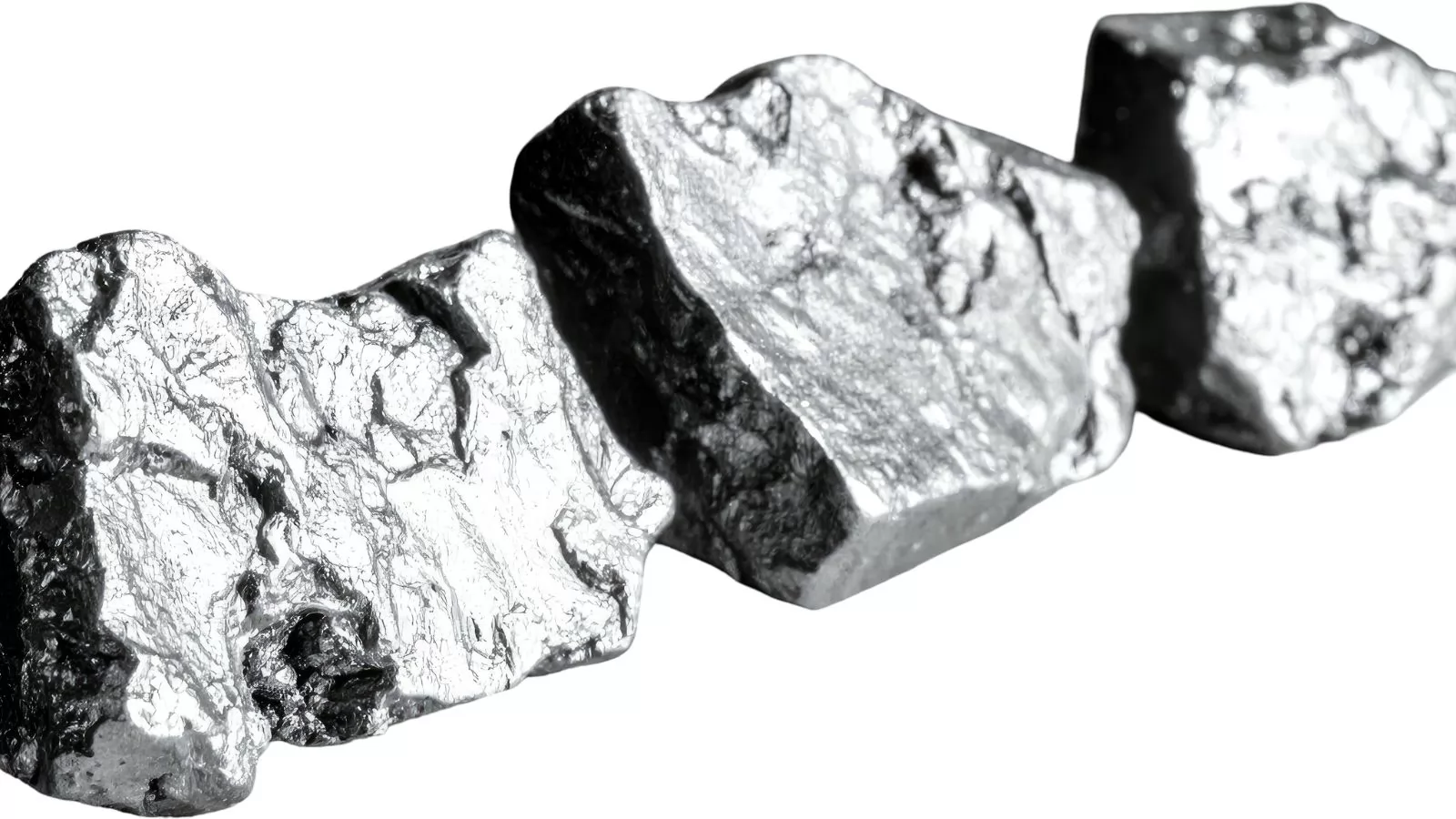
Before comparing the two, it helps to understand what makes each metal distinct — not just chemically, but in the way they behave in real manufacturing environments.
Magnesium is the lightest structural metal in common industrial use, with a density of just 1.74 g/cm³. It's abundant in nature — found in seawater, minerals, and even the human body — and has been used in aerospace and automotive applications for decades precisely because it weighs so little. Think of a laptop chassis or a car seat frame where every gram counts: that's often magnesium at work.
Aluminum, at 2.70 g/cm³, is about 55% denser than magnesium, yet it remains one of the most widely used engineering metals in the world. Its appeal lies in a well-rounded profile: decent strength, excellent corrosion resistance, easy to weld and extrude, and relatively affordable. From aircraft fuselages to beverage cans, aluminum shows up almost everywhere.
Why Are They So Often Compared?
The two metals occupy a similar niche — lightweight, non-ferrous, and suitable for casting and machining — which is exactly why engineers frequently weigh one against the other. The decision isn't always obvious. Magnesium wins on raw weight; aluminum often wins on durability and cost predictability. The right choice depends on your specific application, volume, and environment.
| Property | Magnesium | Aluminum |
|---|---|---|
| Density | 1.74 g/cm³ | 2.70 g/cm³ |
| Melting Point | 650°C (1,202°F) | 660°C (1,220°F) |
| Corrosion Resistance | Moderate (coating often needed) | Excellent (natural oxide layer) |
| Machinability | Excellent | Good |
| Typical Applications | Aerospace, electronics, auto interiors | Automotive, construction, packaging |
The table above gives a high-level snapshot — the sections that follow break down each property in detail to help you make an informed decision.
Weight & Density: Is Magnesium Lighter Than Aluminum?
Weight is usually the first reason engineers look at magnesium — but the answer is more nuanced than a simple yes.
Magnesium has a density of 1.74 g/cm³, compared to aluminum's 2.70 g/cm³. That makes magnesium roughly 35% lighter by volume — a significant margin in industries where every kilogram reduced translates directly into fuel savings, payload capacity, or user comfort.
To put it in practical terms: if you replaced an aluminum bracket weighing 1 kg with an equivalent magnesium part, you'd be looking at a component closer to 650 g. Multiply that across hundreds of parts in an automotive assembly, and the weight savings become substantial.
The Weight–Strength Trade-Off
Lighter doesn't always mean better. Magnesium's lower density is offset by its generally lower absolute strength compared to aluminum alloys. This is where the concept of specific strength (strength-to-weight ratio) becomes important — and where magnesium alloys often hold their own surprisingly well.
| Metal | Density (g/cm³) | Weight vs Steel | Weight vs Each Other |
|---|---|---|---|
| Magnesium | 1.74 | ~78% lighter | ~35% lighter than aluminum |
| Aluminum | 2.70 | ~65% lighter | — |
| Steel (reference) | 7.85 | — | — |
Compared to steel, both metals are dramatically lighter — but between the two, magnesium holds a clear edge in pure weight reduction.
When Does the Weight Difference Actually Matter?
Not every application is weight-sensitive. But in the following contexts, magnesium's lower density provides a genuine engineering advantage:
- Portable electronics — Laptop lids, camera bodies, and tablet frames benefit from the reduced mass in handheld or wearable devices.
- Automotive interiors — Steering wheels, instrument panel frames, and seat structures where mass reduction supports fuel efficiency targets.
- Aerospace components — Cabin equipment, seat frames, and brackets where weight is directly tied to operating cost.
In contrast, aluminum's higher density is rarely seen as a drawback in structural or outdoor applications, where its superior corrosion resistance and durability take priority.
Strength Comparison: How Do They Perform Mechanically?
Weight tells only part of the story — how a material behaves under load, stress, and repeated use is equally critical for engineering decisions.
In absolute terms, aluminum alloys generally offer higher tensile strength than magnesium alloys. A common aluminum alloy like 6061-T6 delivers a tensile strength of around 310 MPa, while a typical magnesium alloy such as AZ31B comes in at around 260 MPa. For applications where raw load-bearing capacity is the priority, aluminum has the edge.
However, when strength is evaluated relative to weight — the specific strength — the gap narrows considerably. Magnesium alloys can match or outperform aluminum in scenarios where minimizing mass while maintaining structural integrity is the goal.
Key Mechanical Properties Side by Side
The table below compares typical values for commonly used alloy grades — keep in mind that exact figures vary by alloy and temper.
| Property | Magnesium AZ31B | Aluminum 6061-T6 |
|---|---|---|
| Tensile Strength | ~260 MPa | ~310 MPa |
| Yield Strength | ~200 MPa | ~276 MPa |
| Hardness (Brinell) | ~49 HB | ~95 HB |
| Elastic Modulus | ~45 GPa | ~69 GPa |
| Fatigue Strength | Moderate | Good |
| Ductility | Lower | Higher |
These figures reflect typical wrought alloy performance — die cast grades may differ, and surface treatments can meaningfully improve both metals' fatigue and wear resistance.
Machinability & Formability
One area where magnesium quietly outperforms aluminum is machinability. Magnesium cuts faster, produces cleaner chips, and causes less tool wear — an advantage that translates into lower per-part machining costs in high-volume production. The caveat: magnesium swarf is flammable and requires appropriate handling and dust extraction systems in the facility.
Aluminum, by contrast, is more ductile and far easier to form, bend, and extrude. If your process involves sheet metal forming, roll forming, or complex extrusion profiles, aluminum is the more practical choice.
Alloy Grades: Magnesium Alloy vs Aluminum Alloy
Neither metal is used in its pure form for structural applications — it's the alloy that determines real-world performance. Understanding common alloy families helps narrow down the right grade for your application.
Common Magnesium Alloy Grades
Magnesium alloys are typically designated by a letter-number system. The most widely used grades include:
- AZ31B — The workhorse of wrought magnesium alloys. Good balance of strength, ductility, and weldability. Used in sheet and plate applications, aircraft components, and sporting goods.
- AZ91D — The most common die casting alloy. Excellent castability and good corrosion resistance for a magnesium grade. Found in automotive housings, power tool casings, and consumer electronics enclosures.
- AM60B — Preferred for automotive structural parts where energy absorption and ductility matter, such as steering wheels and seat frames.
- WE43 — A high-performance alloy with rare earth elements, offering elevated temperature resistance. Used in aerospace and medical implants.
Common Aluminum Alloy Grades
Aluminum alloys are organized into series based on primary alloying elements. The most relevant for structural and casting applications:
- 6061 — The most versatile and widely used structural aluminum. Excellent corrosion resistance, good machinability, and weldable. Used in frames, brackets, and extruded profiles across automotive, marine, and construction sectors.
- 7075 — One of the strongest aluminum alloys available, approaching some steels in tensile strength. Common in aerospace airframes, bicycle components, and high-stress tooling.
- A380 — The dominant aluminum die casting alloy. Excellent fluidity, dimensional stability, and pressure tightness. Used for engine brackets, gearbox housings, and electronic enclosures.
- 5052 — Excellent formability and corrosion resistance in marine environments. Preferred for sheet metal work, fuel tanks, and pressure vessels.
| Application Type | Recommended Magnesium Alloy | Recommended Aluminum Alloy |
|---|---|---|
| Die Casting | AZ91D | A380 |
| Structural / Wrought | AZ31B | 6061-T6 |
| High Strength | WE43 | 7075-T6 |
| Automotive Structural | AM60B | 6061 / 5052 |
Choosing between alloy families often comes down to the manufacturing process first — die casting, extrusion, or machining — and performance requirements second. The sections ahead cover cost and process considerations in more detail.
Cost & Pricing: Which Metal Is More Affordable?
Price is rarely the only factor, but it's almost always part of the conversation — especially in high-volume manufacturing where material cost compounds quickly.
As a general benchmark, aluminum is significantly cheaper than magnesium. Aluminum alloy ingot typically trades in the range of $2–$3 per kg, while magnesium alloy ingot runs $2.5–$4 per kg or higher depending on grade and market conditions. The gap widens further when you factor in processing: magnesium requires more controlled handling, protective atmospheres during casting, and surface treatment to compensate for its lower corrosion resistance.
That said, a raw material price comparison doesn't tell the full story. Because magnesium is 35% lighter, you use less of it by volume to fill the same part geometry — which partially offsets the higher per-kg cost in practice.
Beyond Raw Material: Total Cost Considerations
For most manufacturing applications, the true cost comparison involves several layers beyond spot price:
- Tooling life — Magnesium's lower hardness is gentler on dies, potentially extending tool life in die casting. Aluminum, being harder and more abrasive, can accelerate die wear over long production runs.
- Machining cost — Magnesium machines faster and with less tool wear, reducing per-part machining cost. For parts requiring significant post-casting machining, this advantage can be meaningful.
- Surface treatment — Magnesium typically requires coating or anodizing to achieve adequate corrosion resistance, adding a process step and cost that aluminum often doesn't need.
- Scrap & recyclability — Both metals are highly recyclable, but aluminum has a more mature and liquid recycling market, which supports more predictable scrap recovery value.
| Cost Factor | Magnesium | Aluminum |
|---|---|---|
| Raw Material (per kg) | Higher (~$2.5–$4+) | Lower (~$2–$3) |
| Material Used per Part (by volume) | Less (lower density) | More |
| Machining Cost | Lower | Moderate |
| Surface Treatment Required | Usually yes | Often optional |
| Tooling Wear | Lower | Moderate to High |
| Overall Cost for Most Applications | Higher | Lower |
For most standard applications, aluminum delivers a lower total cost. Magnesium becomes cost-competitive when weight savings translate into measurable downstream value — such as fuel efficiency gains in automotive or payload advantages in aerospace.
Die Casting: How Each Metal Behaves in the Process
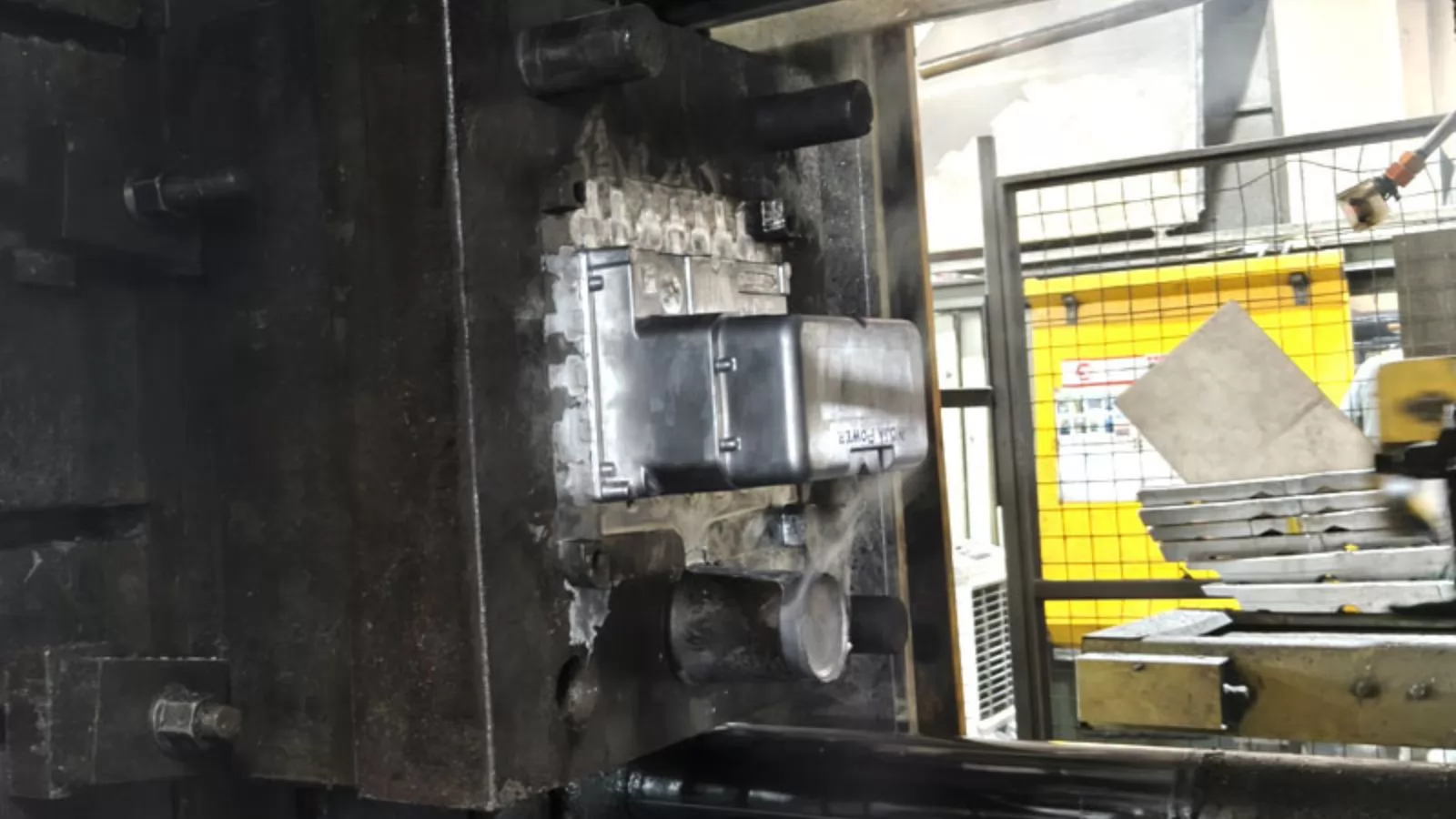
Both metals are well-suited to die casting, but they behave differently in the process — and those differences have real implications for part quality, cycle time, and production cost.
Die casting involves injecting molten metal under high pressure into a steel die to produce near-net-shape parts with tight tolerances and excellent surface finish. It's one of the most efficient processes for high-volume metal components — and both magnesium and aluminum are commonly used. However, for most commercial die casting applications, aluminum alloys offer a more practical and cost-effective solution.
Why Aluminum Is the Preferred Choice for Die Casting
Aluminum die casting, particularly with alloys like A380 and ADC12, has become the industry standard for good reason:
- Superior corrosion resistance — Aluminum parts can often be used without additional surface coating, reducing post-processing steps and cost.
- Excellent dimensional stability — Aluminum maintains tight tolerances well after solidification, making it reliable for precision components like engine brackets, gearbox housings, and structural enclosures.
- Good thermal conductivity — At ~96–180 W/m·K depending on alloy, aluminum dissipates heat effectively — a key advantage in electronic housings and heat sinks.
- Wide process compatibility — Aluminum works well with both cold-chamber and (for some alloys) hot-chamber die casting, and is compatible with a broad range of secondary operations including CNC machining, anodizing, and powder coating.
- Mature supply chain — Aluminum alloy ingot is widely available, price-stable relative to magnesium, and supported by an extensive global recycling infrastructure.
Where Magnesium Die Casting Makes Sense
Magnesium die casting — typically using AZ91D or AM60B — does have a defined role in specialized applications. Its primary advantage is weight: magnesium die castings are the lightest structural metal parts achievable through high-pressure die casting. It also offers excellent thin-wall capability and fast cycle times due to its lower heat capacity.
However, magnesium's higher reactivity requires a protective atmosphere (SF₆ or SO₂ cover gas) during melting and casting, adding process complexity and safety requirements. Corrosion protection is also non-negotiable for most end-use environments, adding a post-processing step that aluminum often doesn't require.
| Factor | Magnesium (AZ91D) | Aluminum (A380) |
|---|---|---|
| Part Weight | Lightest option | Moderate (35% heavier) |
| Corrosion Resistance | Requires coating | Good as-cast |
| Thin-Wall Capability | Excellent | Good |
| Casting Atmosphere | Protective gas required | Standard environment |
| Thermal Conductivity | Moderate (~51 W/m·K) | High (~96 W/m·K) |
| Typical Unit Cost | Higher | Lower |
| Best For | Ultra-light structural parts | Most commercial applications |
For most die casting projects — especially in automotive, electronics, and industrial equipment — aluminum remains the default recommendation. Magnesium is worth evaluating when weight reduction is the primary design driver and budget allows for the added process requirements.
Real-World Applications Across Industries
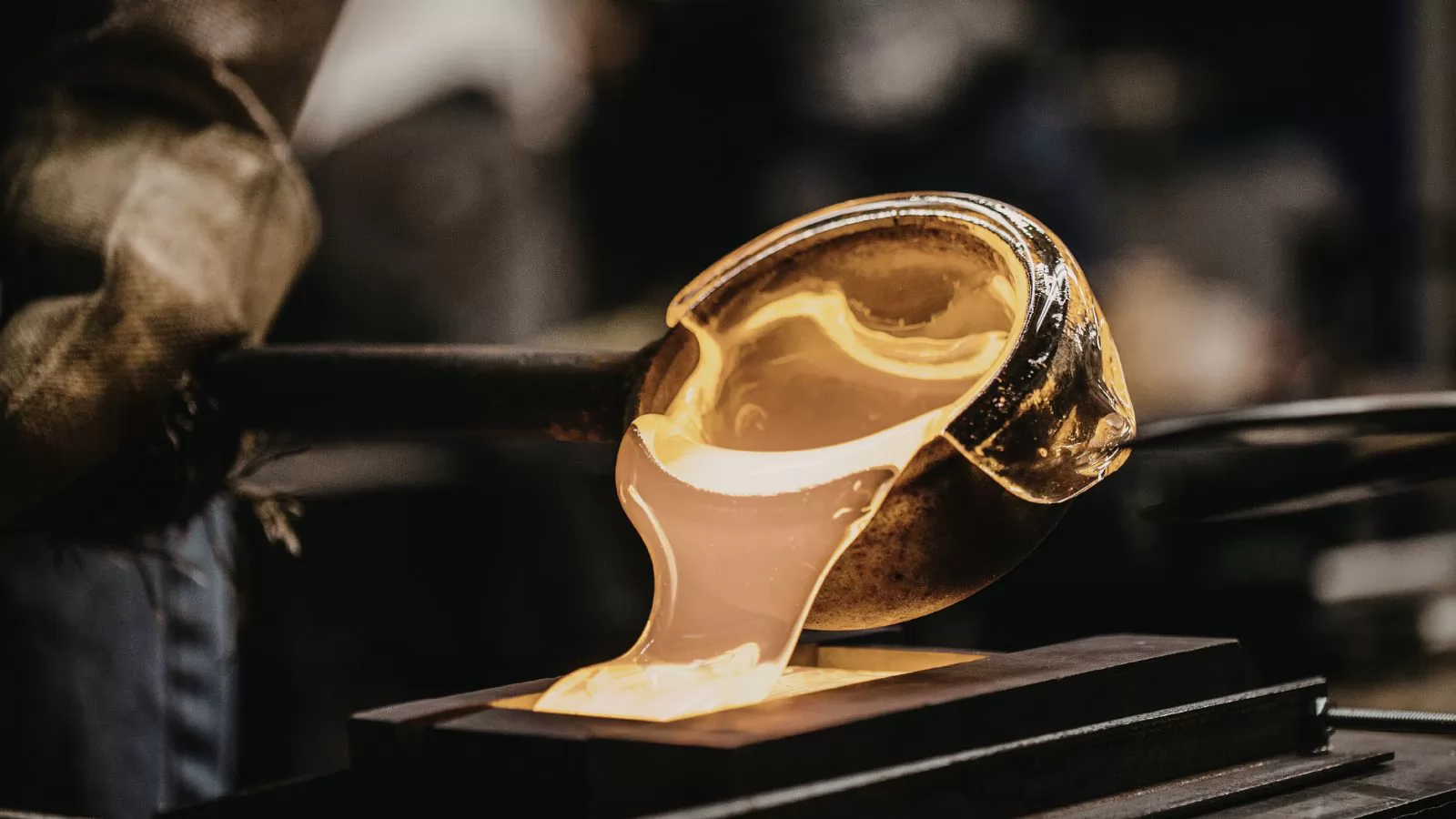
The best way to understand the practical difference between magnesium and aluminum is to see how they're deployed in real products and environments — across four industries where die cast metal components play a central role.
Automotive
Weight reduction is one of the defining challenges in modern vehicle design — whether for improving ICE fuel efficiency or extending EV battery range. Both metals play active roles, but with different assignments.
- Aluminum dominates structural and powertrain applications: engine blocks, cylinder heads, transmission housings, suspension components, and EV battery enclosures. A typical passenger car today contains 150–200 kg of aluminum, a figure that continues to rise with electric vehicle platform adoption.
- Magnesium is used selectively for interior components where weight matters but corrosion exposure is limited — instrument panel frames, steering column brackets, seat structures, and door inners. Models like the BMW 7 Series have incorporated magnesium castings specifically to reduce cabin mass.
Marine
Saltwater is one of the harshest environments any metal can face. Material selection here is largely dictated by corrosion resistance — and the two metals end up playing very different roles.
- Aluminum — particularly 5083 and 5052 alloys — is a proven performer in marine environments. It's used in boat hulls, deck hardware, outboard motor housings, and offshore equipment enclosures, valued for its seawater corrosion resistance and low maintenance requirements.
- Magnesium plays a less obvious but equally important role: sacrificial anodes. Magnesium anodes are attached to aluminum or steel hulls and underwater structures to provide cathodic protection — corroding preferentially so the base metal doesn't. It's one of the most widespread uses of magnesium in marine settings.
Telecom
Telecom infrastructure hardware — base station enclosures, antenna mounting systems, fiber distribution boxes — demands materials that combine EMI shielding, thermal performance, and long-term outdoor durability.
- Aluminum is the standard choice for outdoor telecom enclosures and base station chassis. Die cast aluminum provides reliable EMI shielding, handles heat from active electronics, and withstands UV, humidity, and temperature cycling without additional corrosion treatment in most climates.
- Magnesium finds a role in weight-sensitive portable telecom hardware — handheld radio chassis, drone-mounted relay units, and portable satellite communication devices — where its lower density provides a genuine operational advantage in field deployment.
LED Lighting
Thermal management is the central engineering challenge in LED fixture design, and it's the property that largely determines which metal gets specified.
- Aluminum is the default material for LED heat sinks, fixture housings, and reflector bodies. Its thermal conductivity of 96–180 W/m·K (depending on alloy) efficiently draws heat away from the LED junction — directly impacting lumen maintenance and service life. Die cast aluminum (A380, ADC12) is widely used for streetlight housings, high-bay industrial fixtures, and architectural lighting bodies.
- Magnesium appears in weight-sensitive lighting applications — professional stage rigs, handheld portable fixtures, and camera-mounted lighting — where reducing overall rig weight is a priority. Its lower thermal conductivity (~51 W/m·K) limits suitability for high-power heat-critical fixtures.
| Industry | Magnesium — Typical Uses | Aluminum — Typical Uses |
|---|---|---|
| Automotive | IP frames, seat structures, steering columns | Engine blocks, body panels, EV battery enclosures |
| Marine | Sacrificial anodes (cathodic protection) | Hulls, deck hardware, outboard motor housings |
| Telecom | Portable satellite units, handheld radio chassis | Base station enclosures, antenna hardware |
| LED Lighting | Stage lighting, portable fixtures | Heat sinks, streetlight housings, high-bay fixtures |
Across all four sectors, aluminum covers the broader range of high-volume die casting applications — while magnesium fills specific niches where weight reduction or unique material behavior provides a clear and justified advantage.
Which One Should You Choose?
There's no universal answer — but there is a clear framework for making the right call based on your specific requirements.
If you've read through the comparisons above, the pattern is consistent: magnesium wins on weight, aluminum wins on almost everything else. That doesn't make magnesium the wrong choice — it makes it a specialist. The decision comes down to whether the weight savings in your application justify the trade-offs in cost, corrosion resistance, and process complexity.
Choose Magnesium When:
- Weight reduction is the primary design driver, and every gram saved has measurable downstream value (fuel savings, payload, user ergonomics)
- The component is used in a controlled or protected environment where corrosion exposure is limited and surface treatment is feasible
- You need thin-wall die castings with excellent surface detail and minimal part mass
- The application involves portable or handheld equipment — where users directly feel the weight difference
Choose Aluminum When:
- You need a reliable, cost-effective solution for high-volume production without specialized process requirements
- The part will be exposed to outdoor, humid, or corrosive environments where untreated durability matters
- Thermal management is critical — such as LED housings, heat sinks, or electronics enclosures
- The application requires welding, extrusion, or complex secondary operations that aluminum handles more readily
- Budget is a constraint and total cost predictability is important across a long production run
| Priority | Better Choice | Reason |
|---|---|---|
| Minimum weight | Magnesium | 35% lighter than aluminum by volume |
| Corrosion resistance | Aluminum | Natural oxide layer, no coating required |
| Thermal conductivity | Aluminum | Up to 3× higher than magnesium |
| Lower material cost | Aluminum | More stable pricing, wider supply base |
| Thin-wall die casting | Magnesium | Excellent fluidity and low heat capacity |
| High-volume production | Aluminum | Simpler process, lower per-part cost |
| Machinability | Magnesium | Faster cutting, less tool wear |
Still unsure which material fits your project? The specifics of your part geometry, production volume, and end-use environment all factor into the decision — and that's exactly the kind of evaluation our engineering team works through with customers every day.
Conclusion
Magnesium and aluminum are both exceptional engineering metals — but they're not interchangeable, and understanding the difference matters when you're making a real manufacturing decision.
Magnesium offers the lightest structural option available in die casting, with excellent machinability and strong thin-wall capability. It earns its place in weight-critical applications — automotive interiors, portable electronics, handheld equipment — where the mass reduction justifies the added complexity in processing and corrosion protection.
Aluminum, on the other hand, delivers a more complete package for the widest range of applications: better corrosion resistance, higher thermal conductivity, lower and more predictable cost, and a mature manufacturing ecosystem that spans die casting, extrusion, machining, and surface finishing. For most commercial die casting projects — whether in automotive, LED lighting, telecom, or marine — aluminum remains the practical default.
The right choice isn't about which metal is superior in the abstract. It's about which one aligns with your part's functional requirements, production environment, and total cost targets. When those factors are clear, the decision usually is too.
If you're evaluating materials for an upcoming die casting project — or looking to optimize an existing design — our team is happy to work through the trade-offs with you. We work with both aluminum and magnesium alloys and can provide material recommendations, DFM feedback, and production quotes based on your actual requirements.
0
Comments
Leave a Comment
Your email address will not be published. Required fields are marked *
Name can't be empty
Email error!
Message can't be empty
😍
😜
😳
😌
😄
😘
😝
😒
😃
😚
😚
😛
😟
😧
😀
😉
😓
😱
😤
😣
😂
😥
😩
😠
😢
😭
😰
😨
😡
😆
😪
😅
😐
😇
😋
😴
👿
😕
😏
😷
😵
😟
😮
😯
😑
👧
👴
😧
😬
😾
👶
👱
👵
👸
🙀
👺
👦
👩
👨
😽
😿
🙈
💩
💥
💤
😼
😹
🙉
🔥
✨
💦
👎
✌
👆
👈
💪
💹
👍
👊
💴
💶
💷
💸
👉
💵
🙏
🌎
🏧
👏
💳
👇
💑
🙆
🙅
💁
👫
👭
🙎
🙇
👑
👔
Submit Comment
Most Popular
-
 Jan 30, 2026Aluminum Die Casting Cost Breakdown: From Material to Machining
 -
 Oct 22, 2025Top 10 Aluminium Die Casting Manufacturers and Suppliers in the World
 -
 Nov 26, 2025Top 10 Aluminium Low Pressure Die Casting Manufacturers in the World 2026
 -
 Nov 21, 2025Top 10 Precision Aluminium Investment Casting Factories and Manufacturers in China


Laster Blogs
-
 Mar 26, 2026Magnesium vs Aluminum: Weight, Strength, Price & Alloy Comparison
 -
 Mar 25, 2026Die Casting Porosity Guide: Causes, Types, Standards and How to Reduce It
 -
Mar 24, 2026Top 10 Precision Aluminium Investment Casting Factories and Manufacturers in China
-
 Mar 24, 2026Top 9 High-Precision Zinc Pressure Die Casting Manufacturers in China


Send RFQ Today
Name can't be empty
Email error!
Send Your Message
Note: If you are looking for a job, please send an email to it2@innovaw.com