Investment Casting: Process, Benefits, Materials, and Industrial Applications
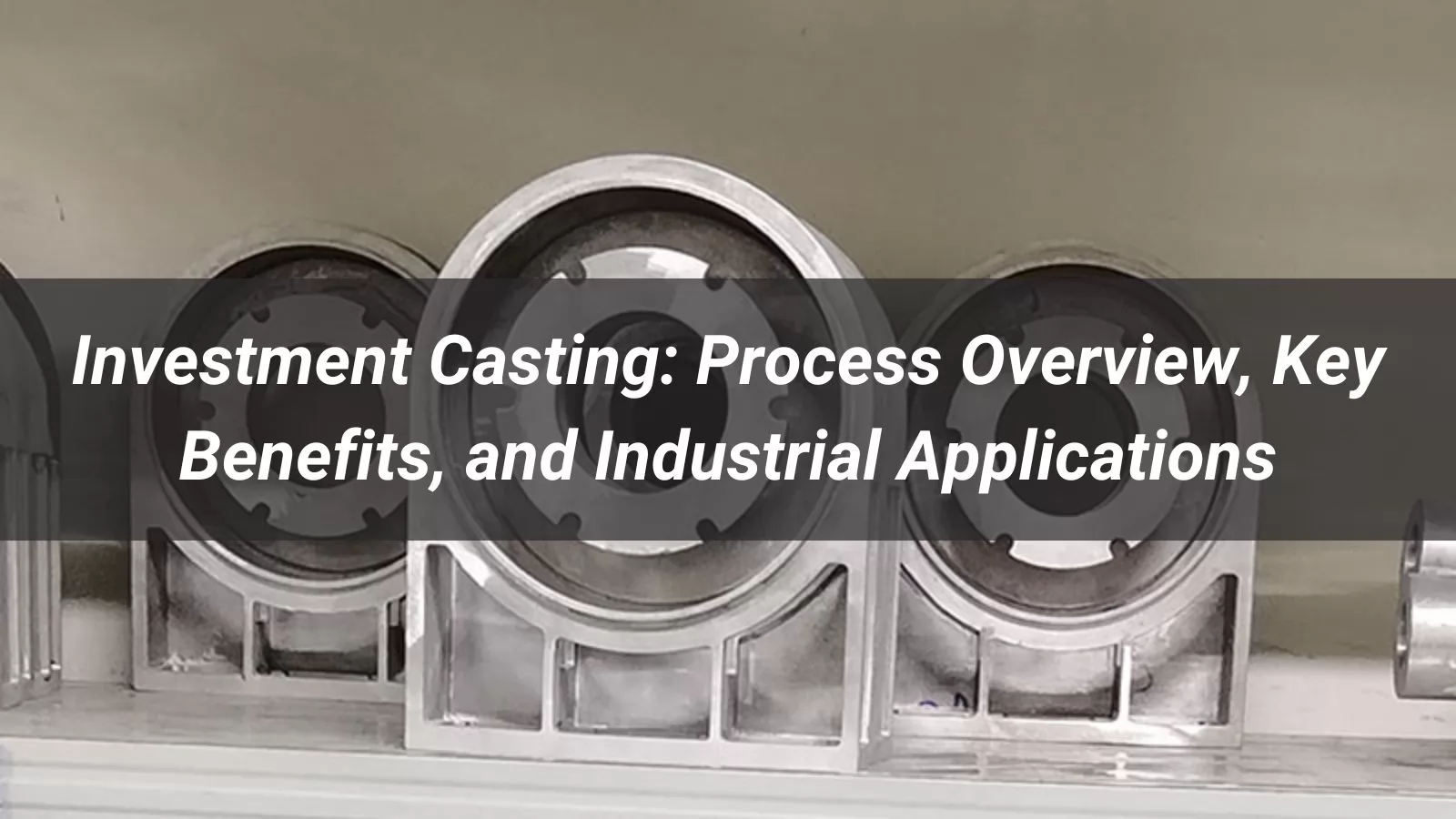
What makes investment casting one of the most trusted manufacturing methods for producing complex metal components in modern industries? Investment casting is a precision manufacturing process used to produce complex metal parts with excellent dimensional accuracy and smooth surface finishes, making it a preferred solution when traditional machining or other casting methods struggle with intricate geometries.
In this article, we explore how the investment casting process works, its key benefits, the materials commonly used, and why it continues to gain popularity as industries demand higher precision, lower waste, and more efficient production. With the growth of sectors such as aerospace, energy, and advanced manufacturing, investment casting has become an increasingly important technology for producing reliable and high-performance components.
- Manufacturing engineers seeking high-precision production methods
- Product designers developing complex metal components
- Procurement professionals evaluating casting solutions
- Industry professionals exploring advanced metal manufacturing processes
This guide explains the core concepts of investment casting, including its process, advantages, material options, and industrial applications—because choosing the right manufacturing method can significantly impact product performance, cost, and reliability. Continue reading to understand how investment casting can support modern engineering and manufacturing needs.
Table of contents
- What Is Investment Casting?
- Investment Casting Process Step by Step
- What Materials Are Used in Investment Casting?
- Advantages and Disadvantages of Investment Casting
- Investment Casting vs Sand Casting vs Die Casting
- Common Applications of Investment Casting
- How to Choose the Right Investment Casting Manufacturer?
- Conclusion
What Is Investment Casting?
Investment casting, commonly referred to as lost wax casting, is a precision metal casting process used to produce complex metal components with high dimensional accuracy and smooth surface finishes. The process begins with the creation of a wax pattern that replicates the final part geometry. This pattern is coated with multiple layers of refractory ceramic material to form a rigid shell. Once the wax is removed, molten metal is poured into the ceramic mold, and after solidification, the shell is broken away to reveal a near-net-shape casting.
Although the basic principle of investment casting has existed for centuries, the process has evolved significantly with the development of industrial-grade waxes, advanced ceramic shell systems, and precise temperature and metallurgical control. These advancements transformed investment casting from an artisanal technique into a reliable industrial manufacturing method capable of meeting modern engineering standards and repeatability requirements.
Today, investment casting plays an important role in modern manufacturing where component complexity, material performance, and dimensional precision must be achieved simultaneously. The process enables the production of intricate features, thin walls, and integrated structures that are difficult or inefficient to manufacture using conventional machining or forging methods. By reducing material waste and minimizing secondary operations, investment casting supports efficient production and consistent quality across a wide range of industrial applications.
Investment Casting Process Step by Step
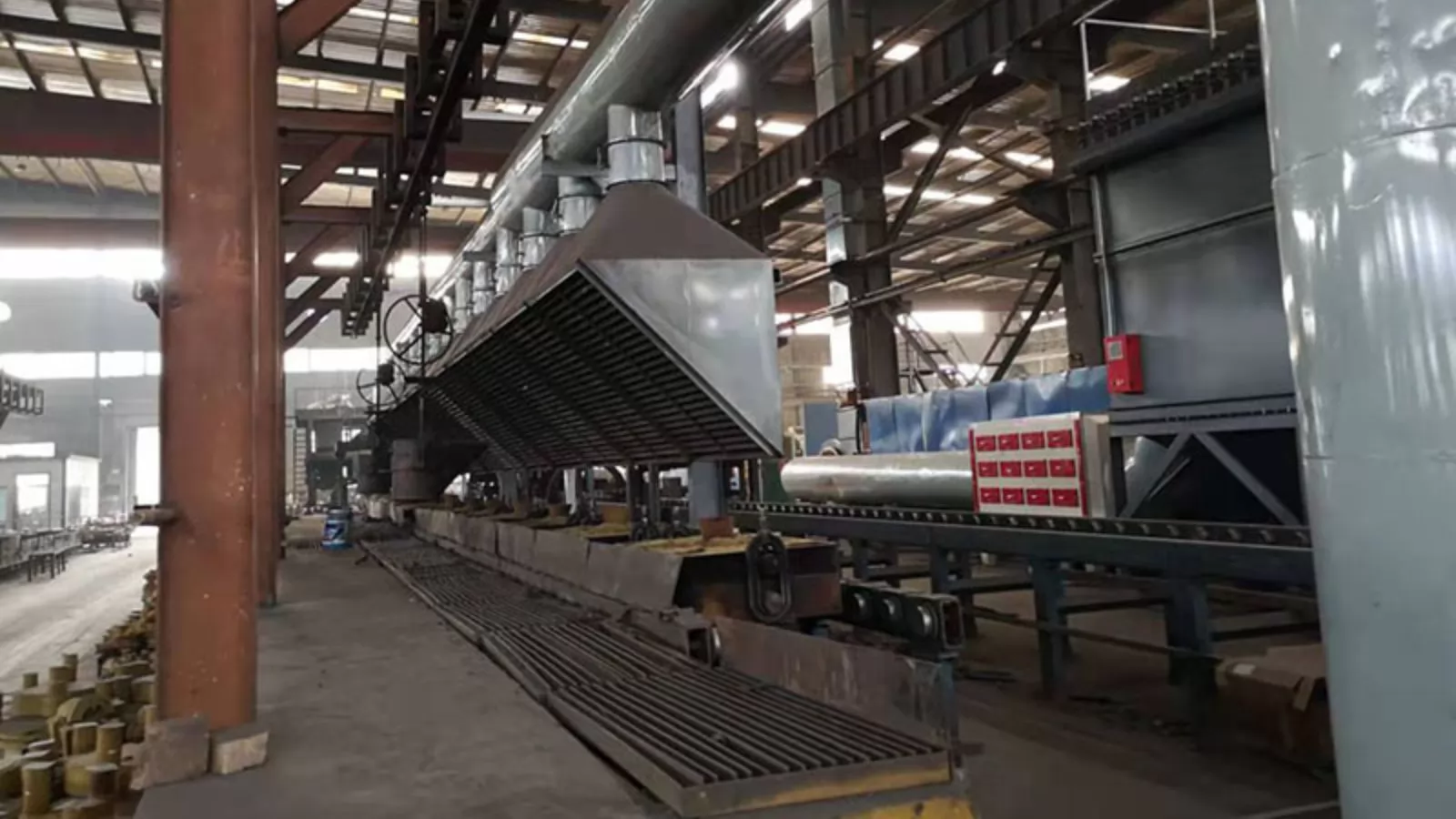
The investment casting process consists of a controlled sequence of manufacturing steps designed to reproduce complex part geometries with high dimensional accuracy and consistent metallurgical quality. Each stage of the process directly influences surface finish, dimensional tolerance, and structural integrity of the final casting.
1. Wax Pattern Production
Wax patterns are produced by injecting molten wax into a precision metal die that defines the external geometry of the final component. The wax formulation is selected to ensure dimensional stability, low shrinkage, and clean removal during the dewaxing stage. After ejection from the die, each wax pattern is inspected for surface integrity and dimensional consistency.
2. Pattern Assembly and Tree Formation
Individual wax patterns are attached to a central wax sprue to form a tree-like assembly that serves as the gating and feeding system. The configuration and orientation of each pattern are engineered to promote uniform metal flow, controlled solidification, and reduced risk of shrinkage-related defects.
3. Ceramic Shell Building
The assembled wax tree is repeatedly immersed in a ceramic slurry and coated with refractory sand to form a multilayer ceramic shell. Each layer is dried under controlled environmental conditions. Shell thickness and layer count are determined based on part geometry, size, and alloy requirements to ensure sufficient strength during pouring.
4. Dewaxing and Shell Preheating
After the ceramic shell has fully cured, the wax is removed using an autoclave or thermal process, leaving a precise mold cavity. The shell is subsequently preheated to eliminate residual wax, enhance mold strength, and reduce thermal gradients during metal pouring.
5. Metal Melting and Pouring
Metal is melted under controlled conditions using induction or vacuum furnaces to achieve the specified chemical composition and pouring temperature. The molten metal is poured into the preheated ceramic shell to ensure complete mold filling while minimizing oxidation and gas entrapment.
6. Cooling, Shell Removal, and Cut-Off
The filled mold is allowed to cool and solidify according to alloy-specific cooling profiles. Once solidification is complete, the ceramic shell is removed through mechanical or chemical methods. Individual castings are then separated from the gating system by cutting or sawing.
7. Finishing and Quality Inspection
Final processing includes surface finishing operations such as grinding, blasting, or polishing to meet specified surface requirements. Each casting is subjected to dimensional verification and quality inspection using visual examination, coordinate measurement, or non-destructive testing to ensure compliance with applicable standards.
What Materials Are Used in Investment Casting?
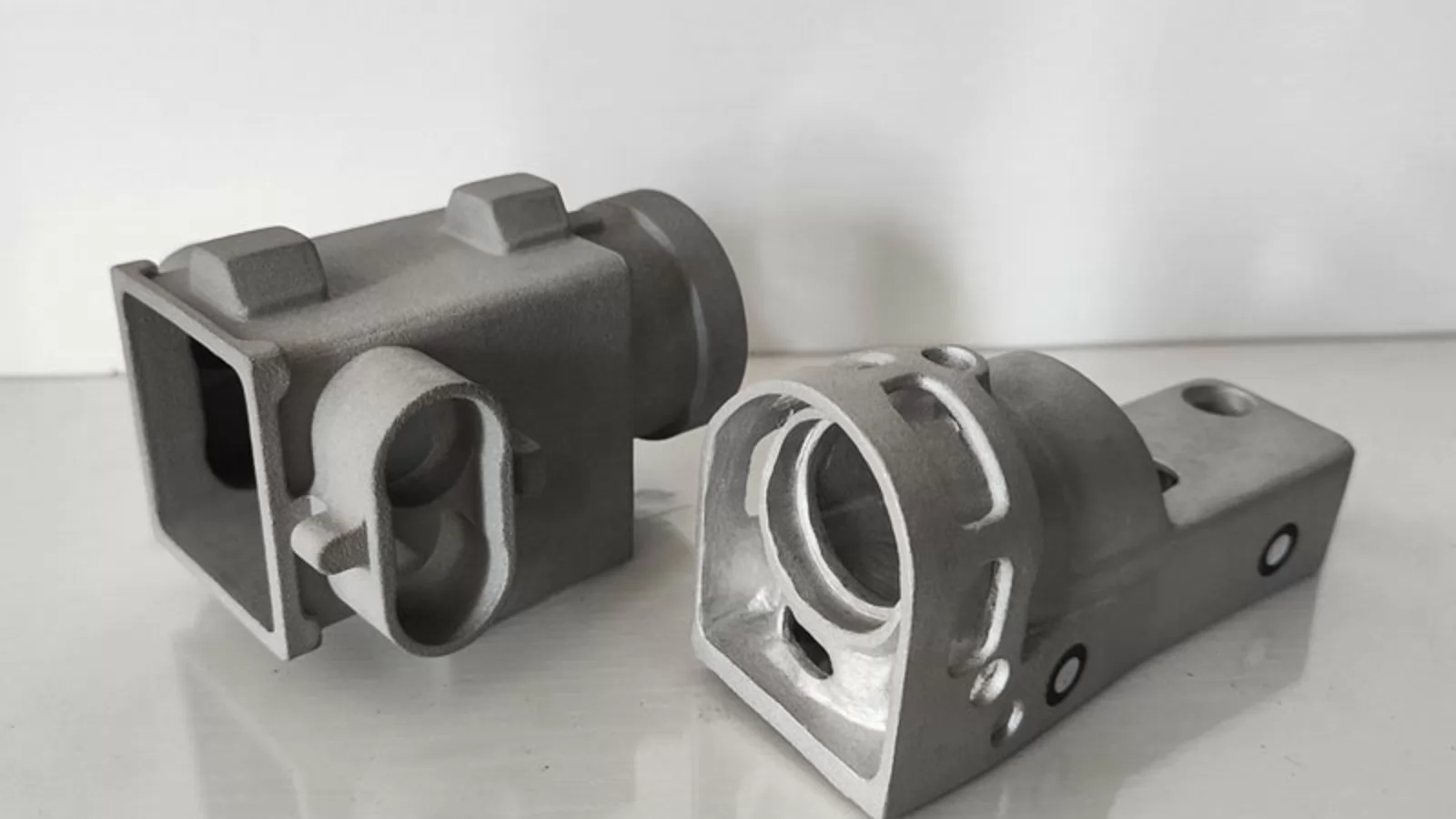
Investment casting is compatible with a wide range of metals and alloys, making it one of the most versatile manufacturing processes for producing precision components. The selection of materials depends on factors such as mechanical strength, corrosion resistance, operating temperature, and the specific requirements of the final application.
Because investment casting can produce complex geometries with tight tolerances, manufacturers often use high-performance alloys that are difficult to machine using traditional manufacturing methods. These materials are widely used in industries such as aerospace, automotive, medical equipment, and industrial machinery.
Common Investment Casting Materials
The following materials are commonly used in investment casting due to their excellent mechanical properties and adaptability to the process.
| Material | Key Properties | Typical Applications |
|---|---|---|
| Carbon Steel | High strength, good toughness, cost-effective | Automotive parts, machinery components |
| Stainless Steel | Corrosion resistance, durability, heat resistance | Pumps, valves, food processing equipment |
| Aluminum Alloys | Lightweight, good thermal conductivity | Aerospace parts, electronic housings |
| Nickel Alloys | Excellent high-temperature strength and oxidation resistance | Turbine components, aerospace engines |
| Cobalt Alloys | Superior wear resistance and biocompatibility | Medical implants, cutting tools |
Material Selection Considerations
Choosing the right material for investment casting requires careful evaluation of several factors:
- Mechanical strength requirements of the final component
- Operating temperature and thermal resistance
- Corrosion and wear resistance in the service environment
- Cost and production efficiency
By selecting the appropriate alloy, manufacturers can fully leverage the advantages of the investment casting process to produce high-performance, durable metal components.
Advantages and Disadvantages of Investment Casting
Understanding the strengths and constraints of investment casting is essential for making informed decisions during the design and manufacturing stages. The following points highlight key benefits that make investment casting a preferred choice for precision components, as well as limitations that must be considered to ensure feasibility and cost-effectiveness.
1. Advantages
- Dimensional Accuracy: Investment casting delivers precise dimensions and smooth surface finishes, reducing the need for secondary machining.
- Complex Geometry: Capable of producing intricate shapes, thin walls, and fine details that are difficult with other casting methods.
- Material Flexibility: Supports a wide variety of metals and alloys, allowing selection based on strength, corrosion resistance, and other functional requirements.
- Near-Net-Shape Production: Reduces material waste and improves overall production efficiency.
- Reproducibility: Ensures consistent quality for small to medium batch sizes, ideal for precision components.
2. Disadvantages
- Higher Cost: Production costs are higher compared to simpler casting methods, especially for large-volume runs.
- Long Lead Time: Multiple steps, including wax pattern making and ceramic shell building, extend production time.
- Part Size Limitation: Extremely large or heavy components may be impractical or uneconomical to produce.
- Alloy Challenges: Some metals have casting difficulties due to flow, shrinkage, or solidification characteristics.
- Design Sensitivity: Improper design can lead to defects like porosity, misruns, or surface imperfections.
Investment Casting vs Sand Casting vs Die Casting
Investment casting is one of several manufacturing methods available for producing metal components. Each process has unique advantages and limitations in terms of cost, precision, complexity, and production volume. The following table provides a direct comparison of investment casting with other common manufacturing techniques to help engineers make informed process decisions.
| Manufacturing Process | Key Advantages | Typical Limitations | Best Applications |
|---|---|---|---|
| Investment Casting | High dimensional accuracy, excellent surface finish, supports complex geometries | Higher cost, longer lead times, limited part size for very large components | Precision components, aerospace, medical, intricate parts |
| Sand Casting | Lower tooling cost, suitable for large parts, flexible material selection | Lower surface quality, dimensional tolerances not as tight, higher machining allowance | Large structural components, low-to-medium complexity parts |
| Die Casting | High production speed, good surface finish, excellent for thin walls | Limited to non-ferrous metals, high tooling cost, less suitable for large parts | Automotive parts, electronics housings, high-volume production |
| Forging | Superior mechanical properties, high strength and toughness | Limited shape complexity, higher machining requirement, size restrictions | Load-bearing components, shafts, gears, high-strength parts |
| CNC Machining | High precision, tight tolerances, rapid prototyping flexibility | Material waste, slower for complex shapes, cost increases with part size | Prototyping, low-volume production, custom or intricate designs |
Common Applications of Investment Casting
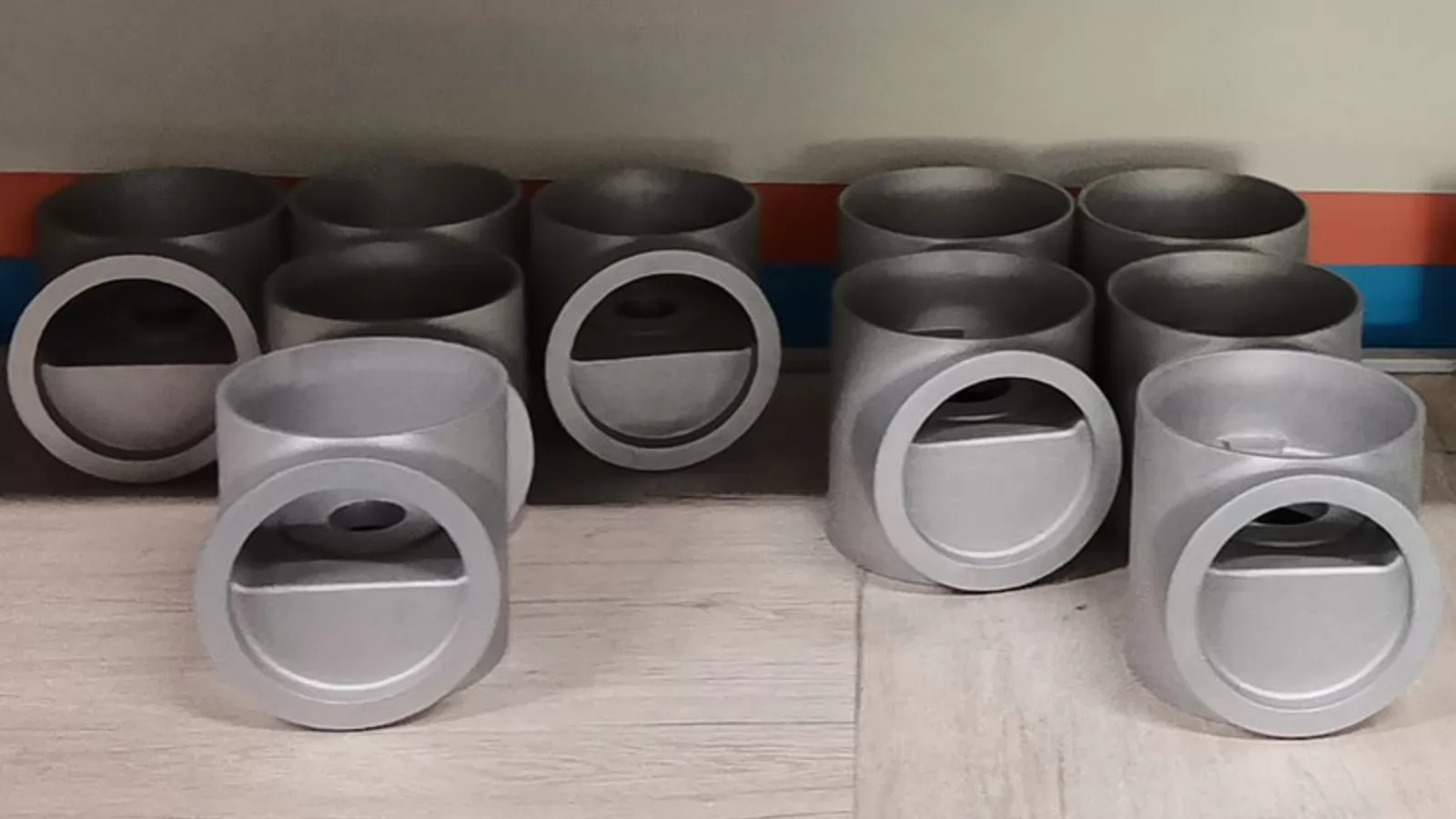
Investment casting is widely used across multiple industries due to its ability to produce high-precision components with complex geometries and consistent material properties. The following applications illustrate how this process meets the specific demands of different sectors.
1. Aerospace and Defense
- Jet Engine Components: Turbine blades, nozzles, and combustor parts requiring high-temperature superalloys.
- Airframe and Structural Parts: Lightweight, complex parts with strict dimensional tolerances.
- Defense Equipment: Precision metal parts for missiles, guidance systems, and naval applications.
2. Automotive and Transportation
- Engine Components: Turbocharger housings, valve bodies, and intake manifolds.
- Transmission Parts: Gear housings and structural components with complex internal geometries.
- Lightweight Components: Aluminum and steel parts that reduce weight while maintaining strength.
3. Medical Devices
- Surgical Instruments: Stainless steel or cobalt-chrome instruments with precise tolerances.
- Implants: Orthopedic, dental, and spinal implants requiring biocompatible alloys.
- Diagnostic Equipment: Small, intricate components for imaging and laboratory devices.
4. Energy and Power Generation
- Turbine Components: Gas and steam turbine blades made from high-temperature superalloys.
- Pumps and Valves: Critical parts in power plants requiring corrosion and wear resistance.
- Generators and Motors: Precision parts for efficiency and reliability in energy equipment.
5. Oil, Gas, and Heavy Equipment
- Drill and Pump Components: High-strength, wear-resistant parts for drilling and extraction.
- Valves and Fittings: Corrosion-resistant components for harsh oilfield environments.
- Heavy Machinery: Gears, housings, and structural parts requiring both strength and complex geometry.
How to Choose the Right Investment Casting Manufacturer?
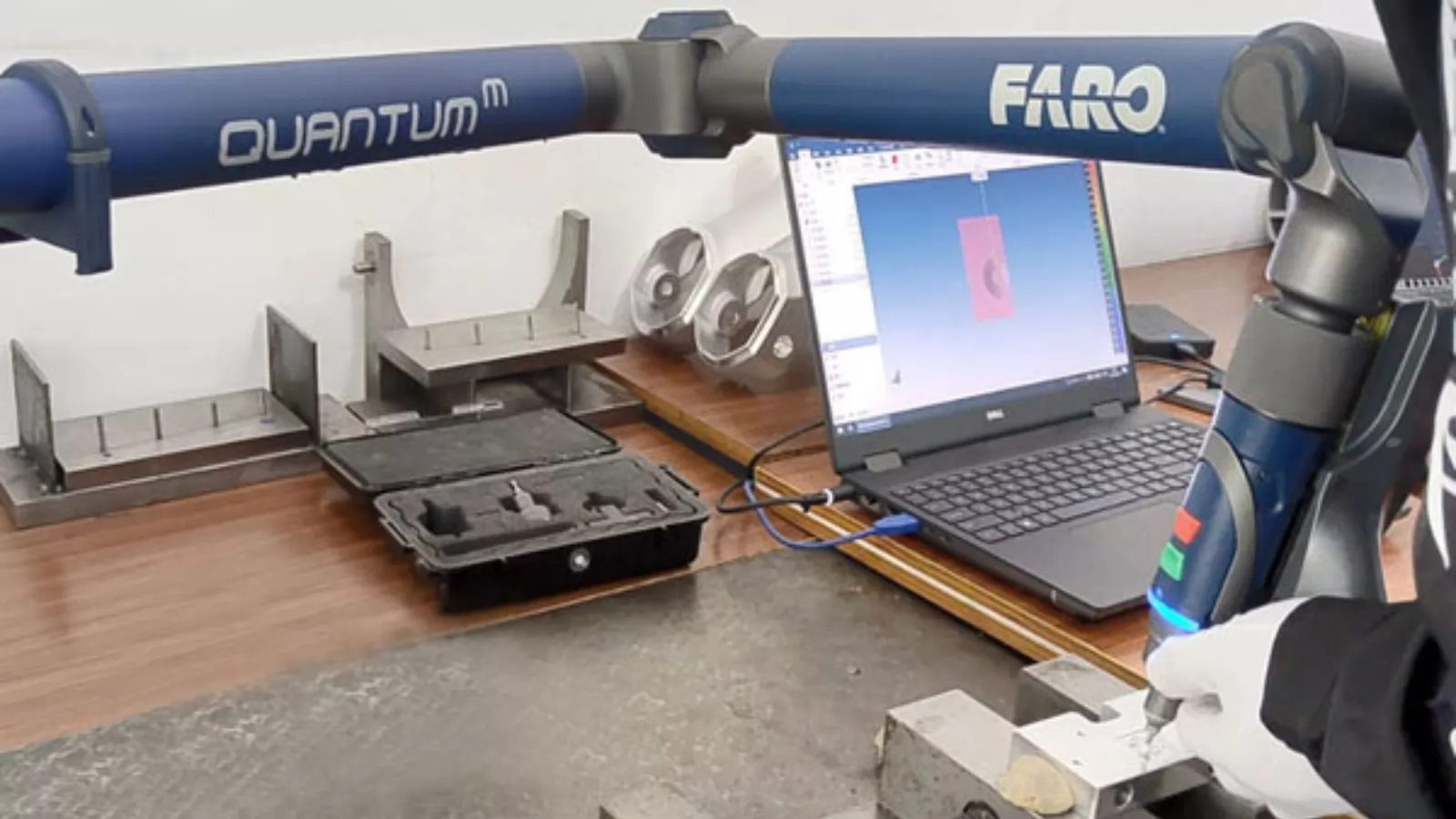
Choosing the right investment casting supplier is essential for ensuring quality, timely delivery, and project success. The following sections break down the critical factors and what to look for in each, providing a clear visual guide for evaluation.
1. Technical Capability and Experience
Focus Areas: Design expertise, alloy knowledge, experience with complex components.
Why It Matters: Ensures parts are manufacturable, accurate, and defect-free.
2. Material and Process Certifications
Focus Areas: Compliance with ASTM/ISO/AS9100/Nadcap, traceability of materials.
Why It Matters: Guarantees material quality, regulatory compliance, and accountability.
3. Production Capacity and Lead Time
Focus Areas: Prototype to medium/large batches, scheduling flexibility, scalability.
Why It Matters: Supports timely delivery without sacrificing quality.
4. Engineering Support and Cost Efficiency
Focus Areas: Design assistance, cost optimization, proactive problem solving.
Why It Matters: Reduces project risk, improves manufacturability, and balances cost.
Frequently Asked Questions About Investment Casting
Q: What are the main advantages of investment casting?
Investment casting offers several advantages compared with other manufacturing methods. These include the ability to produce complex geometries, tight dimensional tolerances, smooth surface finishes, and minimal material waste. It can also reduce machining requirements and support a wide range of metal alloys.
Q: What materials can be used in investment casting?
A wide variety of metals can be used in investment casting, including stainless steel, carbon steel, low alloy steel, aluminum alloys, copper alloys, superalloys, titanium alloys, and certain types of cast iron. The choice of material depends on the required mechanical properties, corrosion resistance, temperature performance, and application environment.
Q: How accurate is investment casting?
Investment casting is known for its high dimensional accuracy. Typical tolerances range from ±0.1 mm to ±0.5 mm depending on part size and design complexity. The process also produces excellent surface finishes, which often reduces or eliminates the need for extensive machining.
Q: What industries commonly use investment casting?
Investment casting is widely used in industries that require complex, high-performance metal components. Common sectors include aerospace, automotive, energy, medical devices, industrial machinery, marine equipment, and precision engineering.
Conclusion
The investment casting process produces complex metal components with high dimensional accuracy and smooth surface finishes by using wax patterns, ceramic molds, and controlled metal pouring. It accommodates a wide range of metals—including stainless steel, alloy steel, aluminum, copper-based alloys, superalloys, and specialty alloys—enabling intricate geometries, thin walls, and integrated structures that are difficult to achieve with other manufacturing methods. The process offers near-net-shape production, reproducibility, reduced material waste, and flexibility across multiple alloys, though it involves higher costs, longer lead times, and practical size limitations for very large parts.
Investment casting is widely applied across industries such as aerospace, defense, automotive, medical devices, energy, and heavy equipment. Key considerations in supplier selection include technical capability, material and process certifications, production capacity, lead time, and engineering support. By combining precise geometry, material versatility, and controlled metallurgical properties, investment casting ensures reliable performance and consistent quality for complex, high-precision components.
0
Comments
Leave a Comment
Your email address will not be published. Required fields are marked *
Name can't be empty
Email error!
Message can't be empty
😍
😜
😳
😌
😄
😘
😝
😒
😃
😚
😚
😛
😟
😧
😀
😉
😓
😱
😤
😣
😂
😥
😩
😠
😢
😭
😰
😨
😡
😆
😪
😅
😐
😇
😋
😴
👿
😕
😏
😷
😵
😟
😮
😯
😑
👧
👴
😧
😬
😾
👶
👱
👵
👸
🙀
👺
👦
👩
👨
😽
😿
🙈
💩
💥
💤
😼
😹
🙉
🔥
✨
💦
👎
✌
👆
👈
💪
💹
👍
👊
💴
💶
💷
💸
👉
💵
🙏
🌎
🏧
👏
💳
👇
💑
🙆
🙅
💁
👫
👭
🙎
🙇
👑
👔
Submit Comment
Most Popular
-
 Jan 30, 2026Aluminum Die Casting Cost Breakdown: From Material to Machining
 -
 Oct 22, 2025Top 10 Aluminium Die Casting Manufacturers and Suppliers in the World
 -
 Nov 26, 2025Top 10 Aluminium Low Pressure Die Casting Manufacturers in the World 2026
 -
 Oct 29, 2025Top 10 Aluminium Casting Foundries and Companies in China


Laster Blogs
-
 Mar 31, 2026Cost of Investment Casting: What Buyers and Engineers Need to Know
 -
Mar 28, 2026Top 10 Aluminium Casting Foundries and Companies in China
-
 Mar 28, 2026Top 10 Precision Aluminium Investment Casting Factories and Manufacturers in China
 -
 Mar 27, 2026Die Casting Tolerances: Standards, Types, and What to Expect from Aluminum


Send RFQ Today
Name can't be empty
Email error!
Send Your Message
Note: If you are looking for a job, please send an email to it2@innovaw.com