Die Casting Cost Guide: 7 Factors That Determine Mold Price
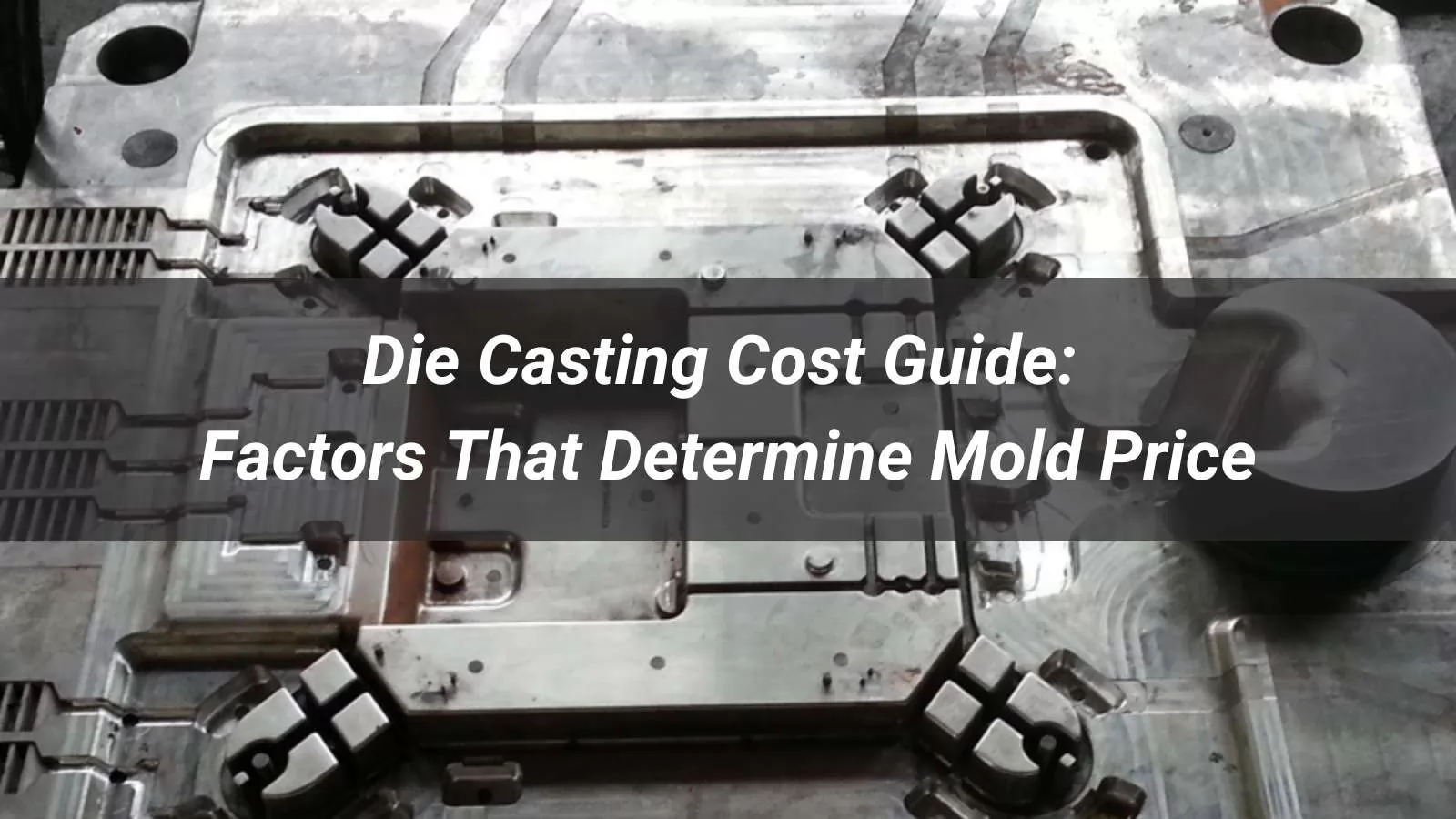
In modern manufacturing, die casting cost has become a critical consideration for engineers and buyers as product complexity and global material prices continue to change. Among all cost components, die casting mold cost and tooling investment often represent the largest upfront expense, making it essential to understand what truly drives pricing before starting a new project.
So what actually determines the final price of a die-cast part? In practice, several key factors influence cost—from material usage and mold complexity to machine selection and production volume. Understanding these drivers helps companies plan budgets more accurately and avoid unexpected expenses. This guide is especially useful for:
- Product designers developing new aluminum die-cast parts
- Procurement managers comparing supplier quotations
- Engineers evaluating manufacturability and tooling investment
- Manufacturers looking to optimize production cost
In the following sections, we will explore the key factors that influence die casting mold pricing and production cost, helping you make more informed decisions when selecting processes and suppliers—keep reading to understand how each factor affects your project.
Table of Contents
- What Factors Determine Die Casting Cost?
- 1. Cost Estimation
- 2. Mold / Tooling Cost
- 3. Material Cost
- 4. Machine cost
- 5. Production volume
- 6. Part design
- 7. Secondary operations
- Conclusion
What Factors Determine Die Casting Cost?
The total die casting cost of a part is influenced by multiple factors across the manufacturing process. From material selection to machining and finishing, each stage contributes to the final production price. Understanding these elements helps engineers and procurement teams make better decisions when evaluating manufacturing solutions.
In a typical aluminum die casting project, several major cost drivers should be considered during the planning and quoting stages:
- Raw material price and casting weight
- Material loss during production
- Die casting mold cost and tooling complexity
- Die casting machine tonnage and operating cost
- Post-casting processing such as trimming and deburring
- CNC machining requirements
- Surface finishing processes
- Packaging and shipping
- Production batch size
The following table shows the approximate share of several key components in a typical aluminum die casting project:
| Cost Component | Typical Share of Total Cost |
|---|---|
| Raw Material | 40% – 60% |
| Machine Operation | 5% – 10% |
| Post-Casting Processing | 1% – 3% |
| Machining | 10% – 60% |
| Packaging & Shipping | 2% – 3% |
Among these factors, raw materials represent the largest share of recurring production cost, while die casting mold cost is usually the largest upfront investment. Because all of these variables interact, the final die casting price can vary widely depending on product design and production scale.
1. How Can You Estimate Die Casting Cost Before Production? (Cost Estimation)
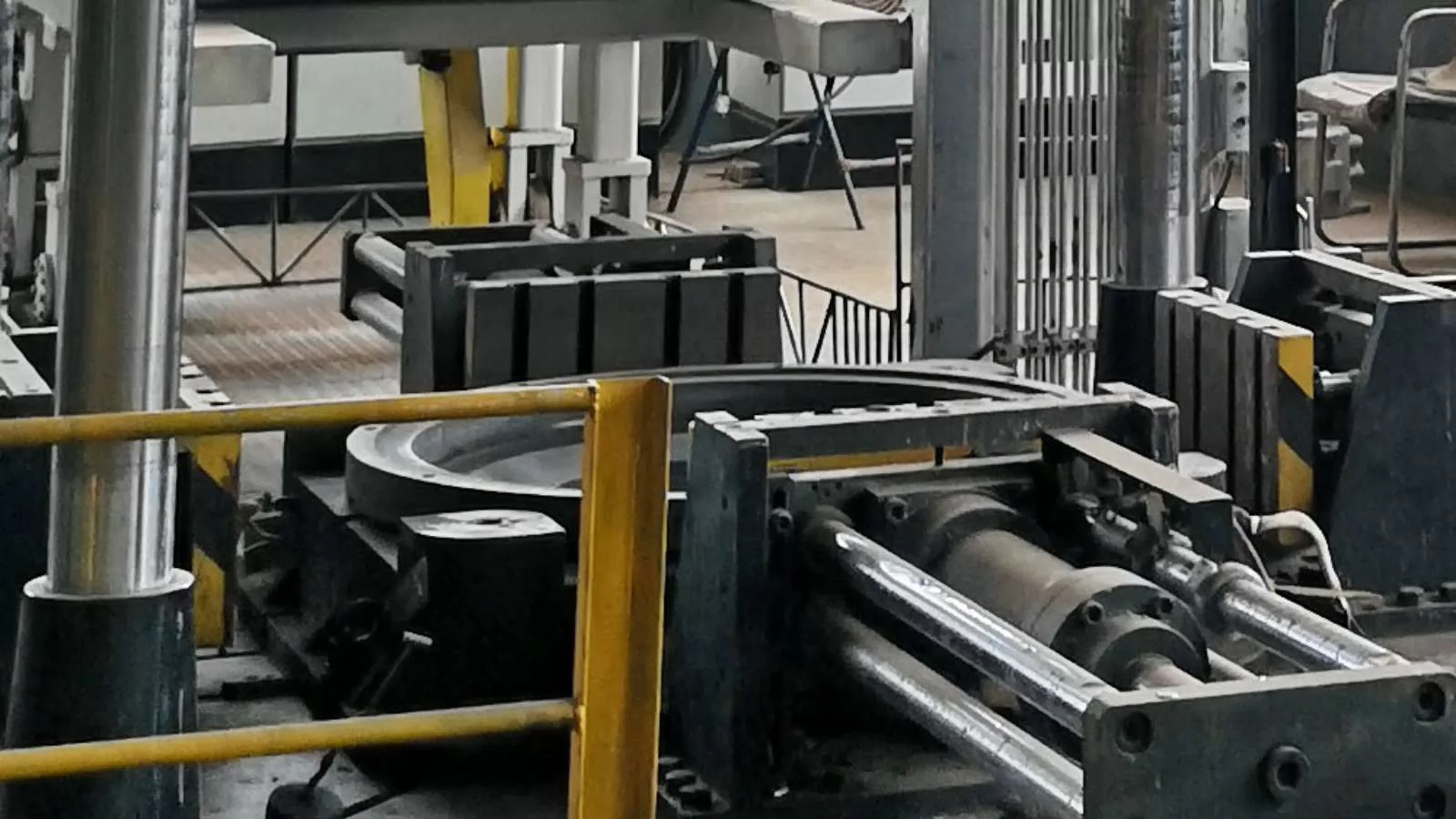
Estimating die casting cost before production begins is an important step in product development and procurement planning. A reliable cost estimation allows manufacturers to evaluate feasibility, control budgets, and optimize product design before committing to tooling.
Key Steps in Cost Estimation
In practice, engineers usually follow several key steps when estimating the manufacturing cost of a die casting project:
- Conduct DFM (Design for Manufacturability) analysis
- Calculate casting weight and material consumption
- Estimate die casting tooling cost
- Evaluate machine operation cost
- Assess machining and finishing requirements
Material Cost Calculation
Material consumption is normally estimated using the part weight and the current aluminum market price. The basic calculation method can be expressed as the following formula:
Material Cost = Aluminum Price per kg × Casting Weight
Because runners, gates, and defective parts generate waste, manufacturers usually include a material loss rate of 5%–10% in the calculation.
Machine Cost Estimation
Another important part of cost estimation is determining machine operating expenses. These costs mainly depend on machine tonnage and production cycle time.
Machine Cost = Clamping Force × Cycle Time × Equipment Cost per Time Unit
Choosing a smaller die casting machine when possible can significantly reduce the total die casting cost. By combining material consumption, machine operation, and die casting mold cost, engineers can estimate the overall manufacturing cost before mass production begins.
2. What Is the Typical Die Casting Mold Cost for a New Project? (Mold / Tooling Cost)
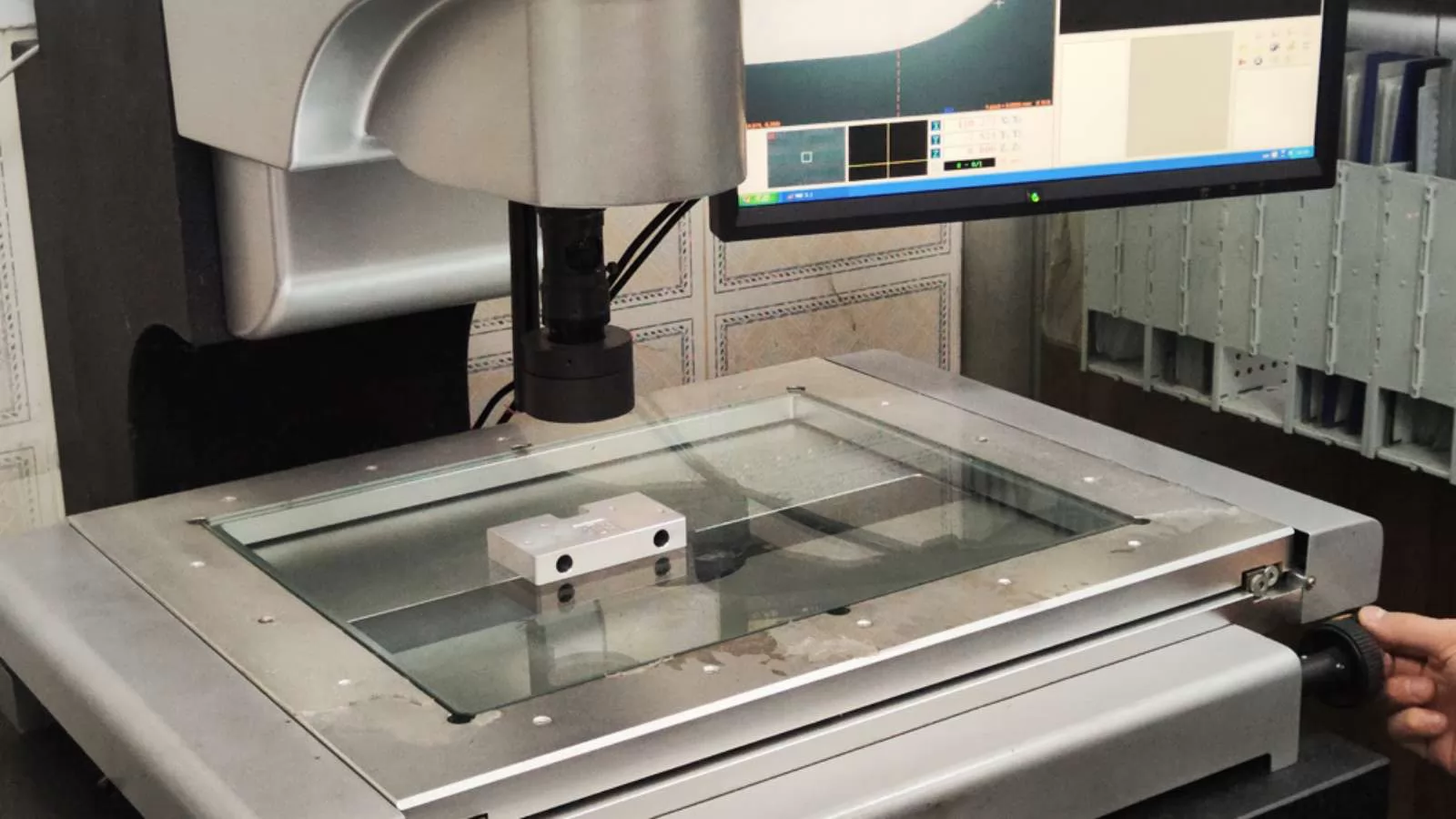
For most aluminum casting projects, the die casting mold cost represents the largest initial investment. High-pressure die casting molds must withstand extreme temperatures and injection pressures, requiring advanced engineering and durable materials.
Main Factors Affecting Die Casting Tooling Cost
Several technical factors determine the final die casting tooling cost for a project:
- Mold structure complexity
- Number of cavities (single or multi-cavity molds)
- Mold steel type and heat treatment
- Expected production volume
Typical Tooling Cost Range
The approximate cost range of aluminum die casting molds can vary depending on product size and complexity, as shown below:
| Mold Complexity | Typical Cost Range |
|---|---|
| Simple parts | $3,000 – $10,000 |
| Medium complexity parts | $10,000 – $50,000 |
| Large or complex components | $50,000 – $100,000+ |
Most die casting molds are made from high-strength tool steels such as H13, which undergo heat treatment to improve durability. Although the initial die casting tooling cost may be high, molds typically last for 50,000–100,000 production cycles, which helps reduce the tooling cost per part in large production runs.
3. How Much Does Aluminum Die Casting Cost Per Part? (Material Cost)
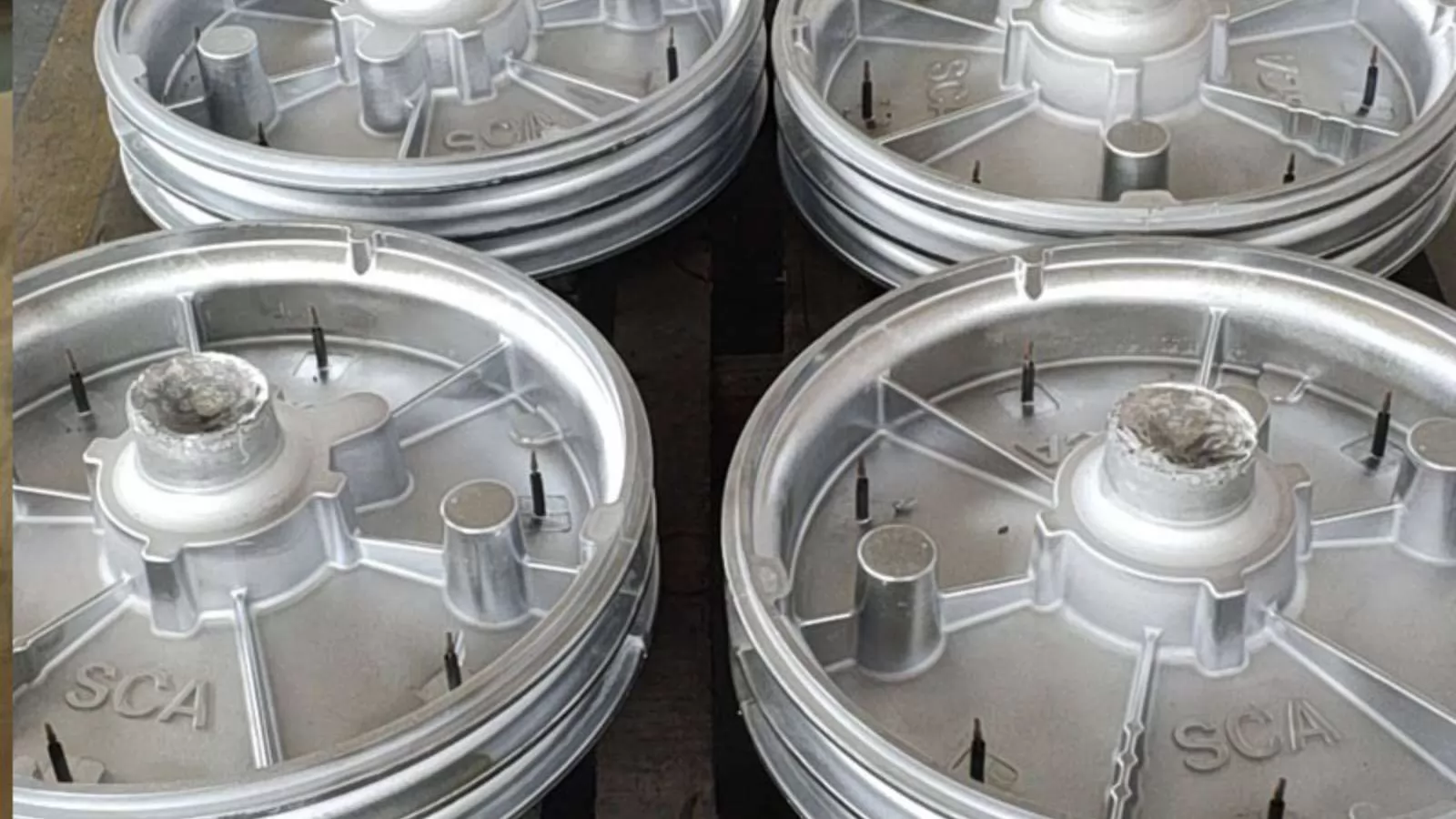
The aluminum die casting cost per part depends on several variables, including material price, casting weight, machining requirements, and production volume. Even similar components may have different prices depending on design complexity.
Main Cost Components per Part
To better understand the cost structure of a single part, the main components typically include the following:
- Material cost
- Machine operation cost
- Amortized die casting mold cost
- Post-casting processing
- Machining and finishing
Example of Production Volume Impact
Production volume has a significant influence on the final unit price because tooling and setup costs are distributed across more parts:
| Production Volume | Estimated Unit Cost |
|---|---|
| 5,000 parts | ≈ $10 per part |
| 50,000 parts | ≈ $8 per part |
This price difference occurs because the die casting tooling cost and setup expenses are distributed across a larger number of parts.
Material Cost Formula
The material portion of the cost can be estimated using a simplified calculation formula:
Material Cost = Unit Aluminum Price × Part Weight × (1 + Material Loss Rate)
Since the typical material loss during casting ranges between 5% and 10%, this additional consumption must be included when calculating the total die casting cost.
Machining can also influence the final price. Depending on part complexity and tolerance requirements, machining may account for 10% to 60% of the total manufacturing cost.
4. Does Die Casting Machine Cost Affect Your Part Price? (Machine cost)
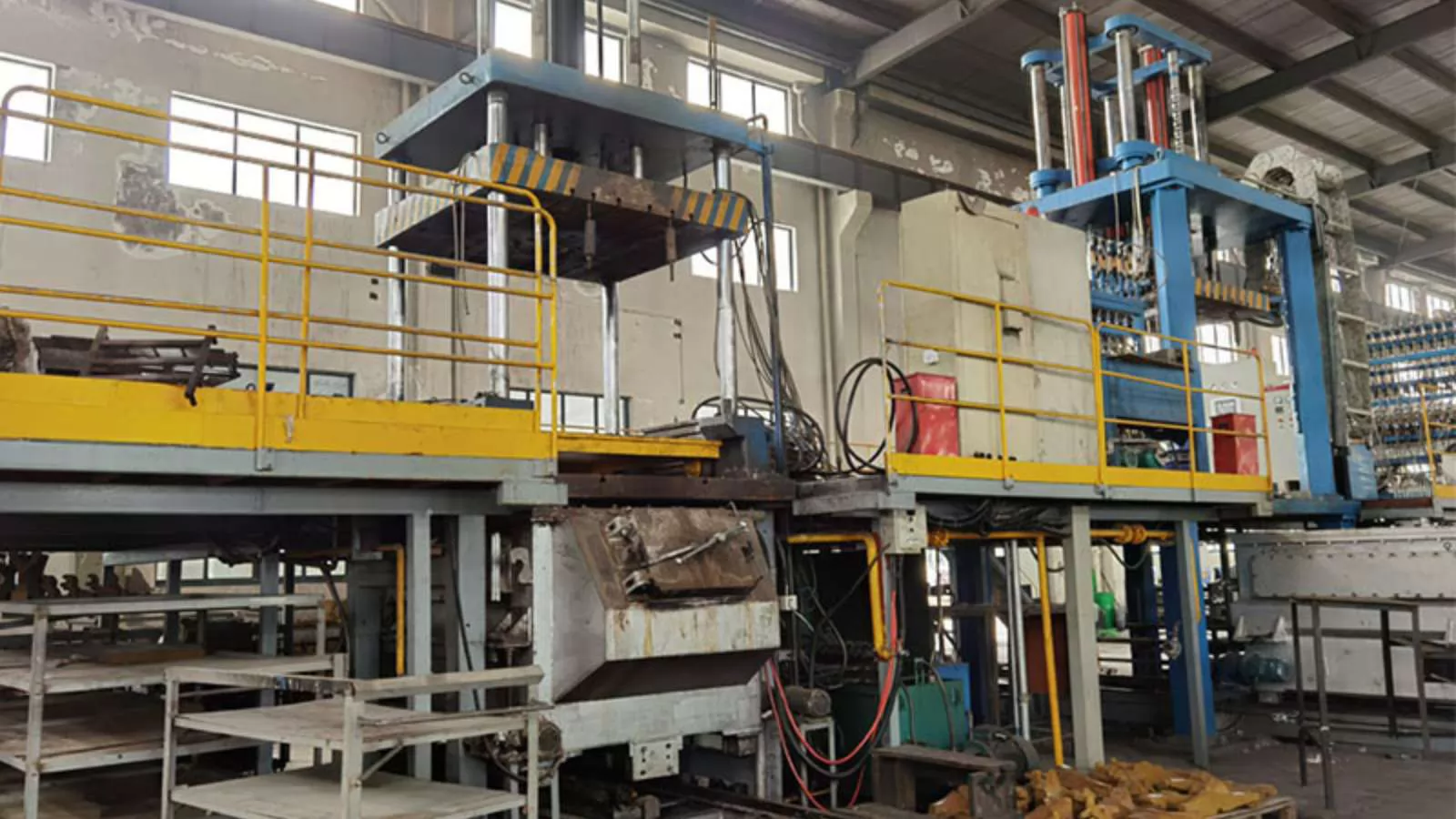
Die casting machine cost is another key component of the overall die casting cost. In high-pressure die casting, the size and tonnage of the machine required for production directly affect operating expenses, including energy consumption, equipment depreciation, and labor allocation.
In most manufacturing environments, machine-related expenses usually account for about 5%–10% of the total die casting cost. Although this percentage may seem smaller than raw material or machining costs, selecting the wrong machine size can significantly increase the price per part.
How Machine Tonnage Influences Die Casting Cost
Die casting machines are selected based on the required clamping force to keep the mold closed during injection. Larger machines cost more to operate and maintain.
The main cost components related to machine usage include:
- Equipment depreciation and capital investment
- Electricity and hydraulic system energy consumption
- Routine maintenance and repair allocation
- Basic labor required to operate the equipment
A simplified way to estimate machine-related cost is:
Machine Cost = Clamping Force × Cycle Time × Equipment Cost per Time Unit
Optimizing Machine Selection to Control Cost
Choosing the correct machine tonnage is essential for controlling die casting tooling cost and production expenses. A well-designed mold and optimized part structure may allow manufacturers to use a smaller machine while maintaining production efficiency.
Even a reduction from an 800-ton machine to a 500-ton machine can reduce production cost by roughly 10% in some cases. Therefore, collaboration between mold designers and process engineers is critical to optimize machine selection.
5. How Does Production Volume Reduce Die Casting Cost? (Production volume)
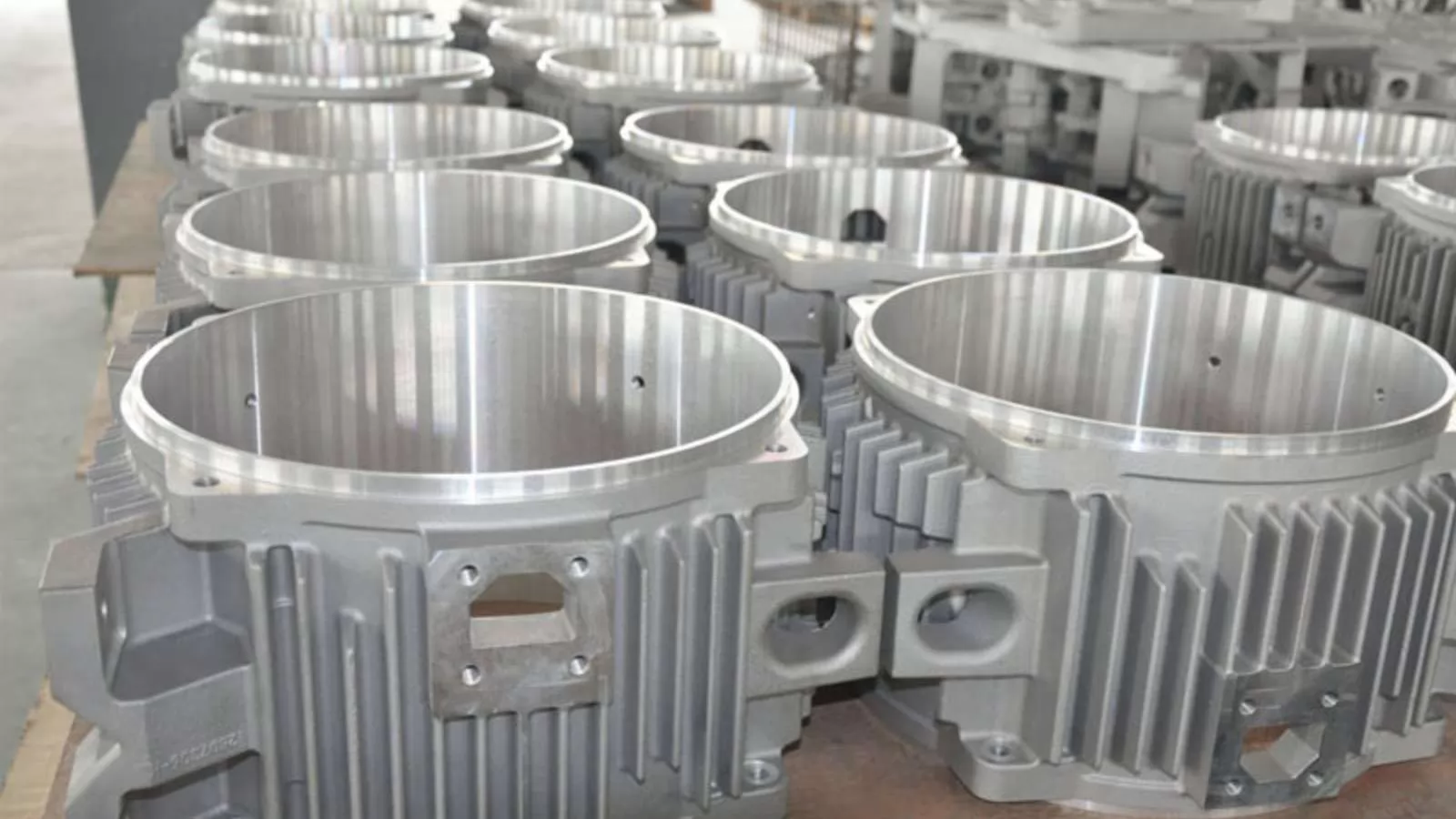
Production volume plays a critical role in determining the unit price of a die-cast part. One of the biggest advantages of die casting compared with other casting processes is its ability to achieve economies of scale.
This means that when production volume increases, fixed expenses such as die casting mold cost and tooling investment are distributed across a larger number of parts, reducing the cost per unit.
How Mold Cost Is Amortized in Large Production
Tooling investment is usually the largest upfront cost in a die casting project. However, molds typically last tens of thousands to hundreds of thousands of cycles, which allows this cost to be distributed across production volume.
For example, mold cost per part can vary significantly depending on batch size:
| Production Volume | Mold Cost | Mold Cost Per Part |
|---|---|---|
| 5,000 parts | $50,000 | $10 |
| 50,000 parts | $50,000 | $1 |
| 100,000 parts | $50,000 | $0.50 |
Other Benefits of Large Production Runs
In addition to mold amortization, larger production runs bring several operational advantages:
- Lower raw material purchase price through bulk purchasing
- Improved machine utilization and production efficiency
- Reduced setup and changeover frequency
- More stable production processes and lower defect rates
Because of these factors, high-volume manufacturing is where die casting cost efficiency becomes most competitive.
6. How Does Part Design Impact Die Casting Tooling Cost? (Part design)
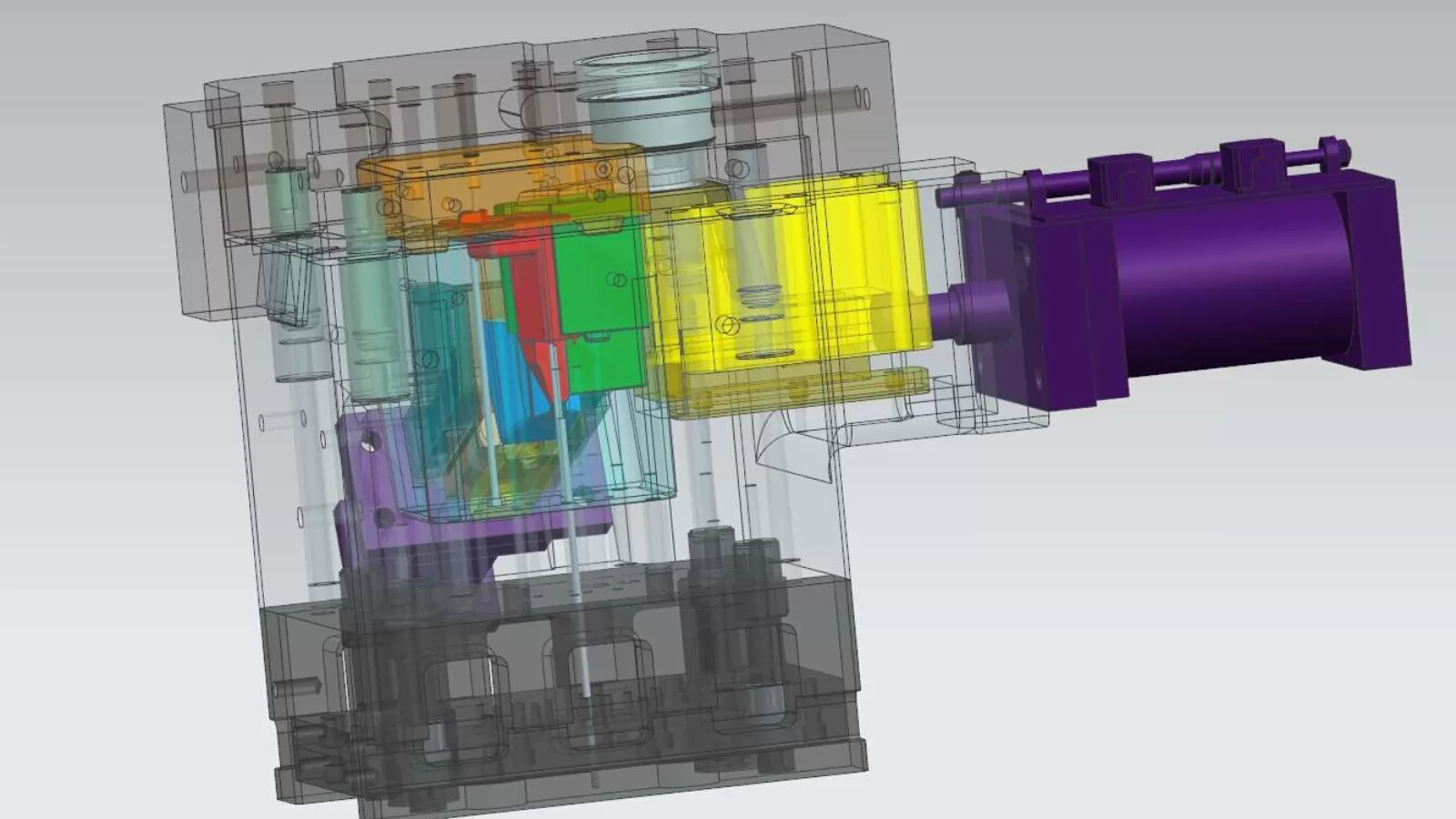
Part design has a direct influence on die casting tooling cost and mold complexity. Even small changes in geometry can significantly affect the difficulty of mold manufacturing and the stability of the production process.
Design decisions made in the early engineering stage often determine whether the final mold will be simple and cost-efficient or highly complex and expensive.
Design Features That Increase Mold Cost
Certain design features make molds more difficult to manufacture and maintain. These features often increase both the initial die casting mold cost and long-term maintenance expenses.
Examples include:
- Deep undercuts requiring additional sliders
- Extremely thin walls that increase filling difficulty
- Sharp corners that cause stress concentration
- Complex internal cavities requiring multi-directional slides
Design for Manufacturability (DFM)
To control tooling cost, engineers often apply Design for Manufacturability (DFM) principles during product development. DFM helps align product geometry with the capabilities of die casting equipment and mold structures.
Key DFM guidelines for die casting include:
- Maintaining uniform wall thickness
- Adding draft angles for easier part ejection
- Using fillets instead of sharp corners
- Avoiding unnecessary cosmetic features
Applying these design principles early can significantly reduce die casting tooling cost, shorten mold manufacturing time, and improve production stability.
7. What Secondary Operations Increase Die Casting Cost? (Secondary operations)
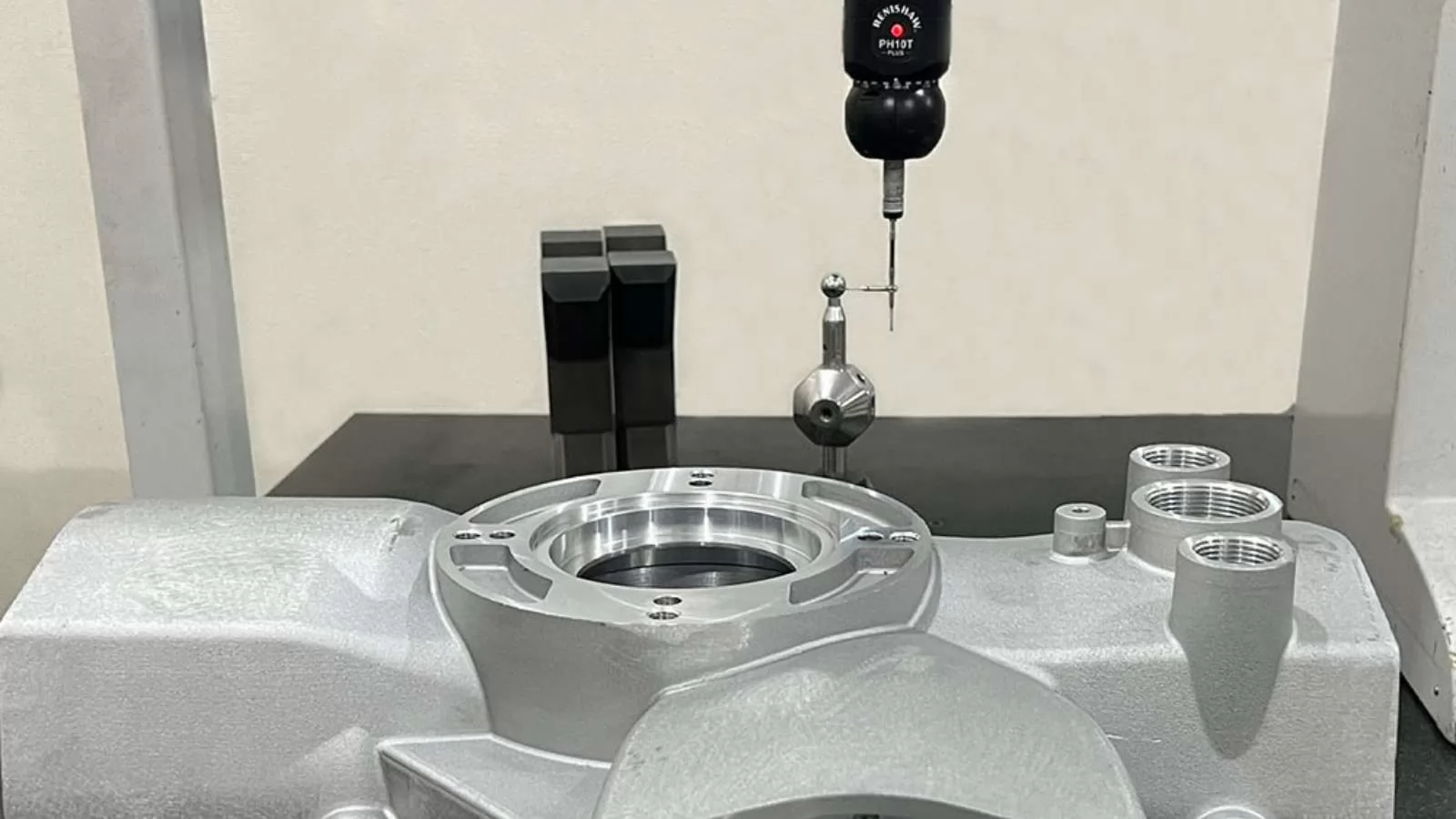
Secondary operations refer to all manufacturing processes performed after the casting leaves the die casting machine. These additional steps can significantly influence the final die casting cost per part.
Depending on product requirements, these operations may include machining, surface finishing, or inspection procedures.
Common Post-Casting Processes
Many die-cast parts cannot achieve all functional requirements directly from the mold. As a result, additional processing steps are required.
The most common secondary operations include:
- Gate trimming and flash removal
- Deburring and polishing
- CNC machining (drilling, tapping, milling)
- Leak testing or dimensional inspection
Surface Treatment and Finishing Cost
Surface finishing is another major factor that can increase total manufacturing cost. The choice of treatment depends on corrosion resistance, appearance requirements, and functional performance.
The following table shows typical surface treatments used for aluminum die casting parts:
| Surface Treatment | Main Purpose | Cost Impact |
|---|---|---|
| Anodizing | Corrosion resistance and aesthetics | Medium |
| Powder coating | Durable colored finish | Medium–High |
| Nickel or chrome plating | Wear resistance and appearance | High |
| Painting | Basic protection and color | Low–Medium |
When estimating total manufacturing expenses, manufacturers must carefully evaluate whether these operations are necessary, since each additional process increases die casting production cost.
Conclusion
Overall, die casting cost is influenced by several interconnected factors, including raw material price, die casting mold cost, machine tonnage, production volume, part design, and secondary operations. Among these, tooling investment and material consumption usually represent the largest portions of the total cost, while machining and surface finishing may further increase the final price depending on product requirements.
Because these factors interact with each other, effective cost control requires careful planning during the design and manufacturing stages. Optimizing part geometry, selecting appropriate machine capacity, and increasing production volume can all help distribute die casting tooling cost and reduce the cost per part.
At Innovaw, we combine engineering expertise, DFM analysis, and reliable high-pressure die casting production to help customers control die casting cost while maintaining consistent product quality. By optimizing mold design and manufacturing processes, we support clients in achieving efficient, cost-effective aluminum die casting solutions for their projects.
0
Comments
Leave a Comment
Your email address will not be published. Required fields are marked *
Name can't be empty
Email error!
Message can't be empty
😍
😜
😳
😌
😄
😘
😝
😒
😃
😚
😚
😛
😟
😧
😀
😉
😓
😱
😤
😣
😂
😥
😩
😠
😢
😭
😰
😨
😡
😆
😪
😅
😐
😇
😋
😴
👿
😕
😏
😷
😵
😟
😮
😯
😑
👧
👴
😧
😬
😾
👶
👱
👵
👸
🙀
👺
👦
👩
👨
😽
😿
🙈
💩
💥
💤
😼
😹
🙉
🔥
✨
💦
👎
✌
👆
👈
💪
💹
👍
👊
💴
💶
💷
💸
👉
💵
🙏
🌎
🏧
👏
💳
👇
💑
🙆
🙅
💁
👫
👭
🙎
🙇
👑
👔
Submit Comment
Most Popular
-
 Jan 30, 2026Aluminum Die Casting Cost Breakdown: From Material to Machining
 -
 Oct 22, 2025Top 10 Aluminium Die Casting Manufacturers and Suppliers in the World
 -
 Nov 26, 2025Top 10 Aluminium Low Pressure Die Casting Manufacturers in the World 2026
 -
 Oct 29, 2025Top 10 Aluminium Casting Foundries and Companies in China


Laster Blogs
-
 Mar 31, 2026Cost of Investment Casting: What Buyers and Engineers Need to Know
 -
Mar 28, 2026Top 10 Aluminium Casting Foundries and Companies in China
-
 Mar 28, 2026Top 10 Precision Aluminium Investment Casting Factories and Manufacturers in China
 -
 Mar 27, 2026Die Casting Tolerances: Standards, Types, and What to Expect from Aluminum


Send RFQ Today
Name can't be empty
Email error!
Send Your Message
Note: If you are looking for a job, please send an email to it2@innovaw.com