Die Casting Materials: A Complete Guide to Alloys, Grades & Tooling Steels
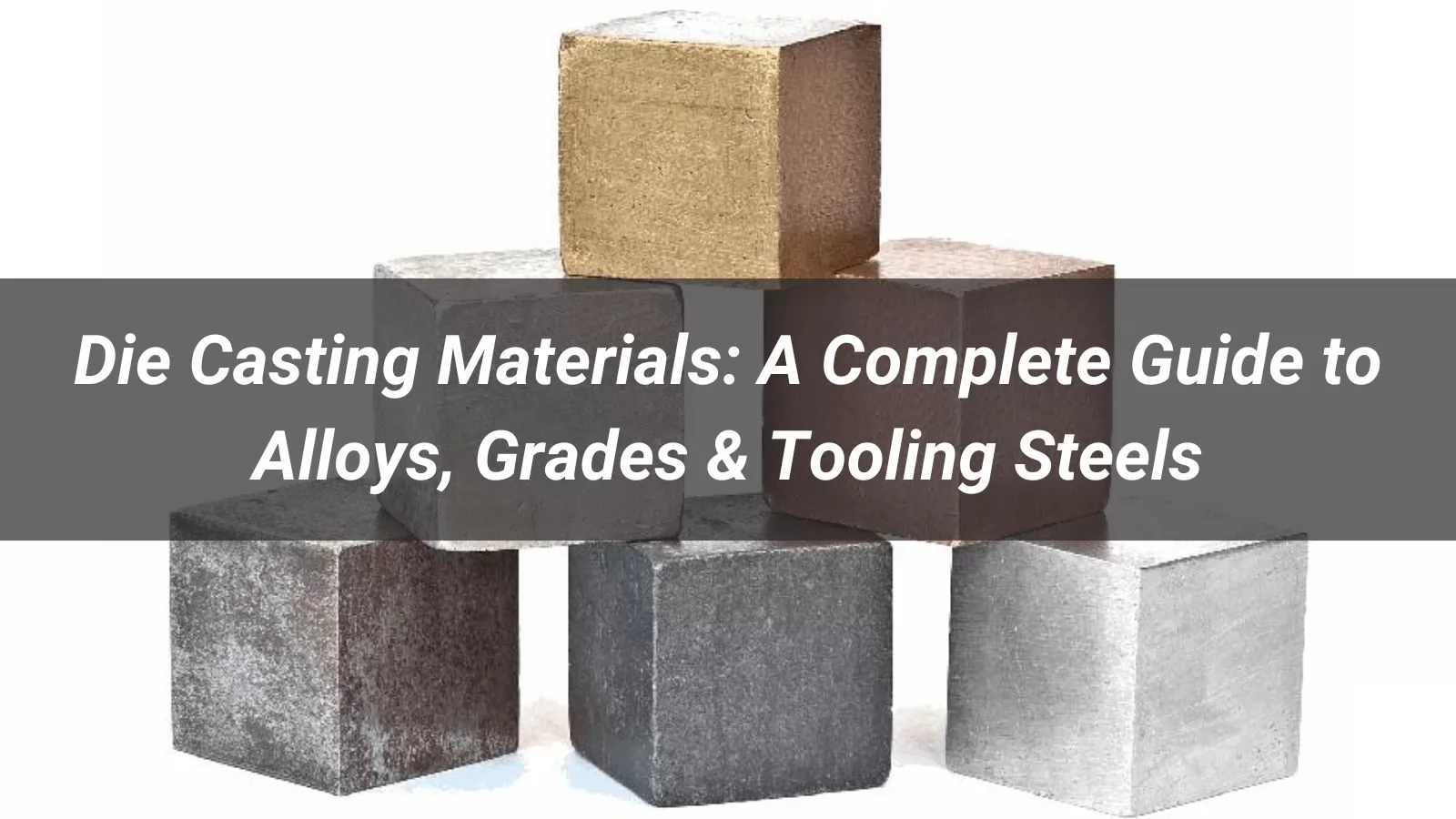
Choosing the right die casting materials is one of the most consequential decisions in any metal parts program. The alloy you select — and the steel used to build your die — shapes everything downstream: part weight, mechanical performance, tooling longevity, cycle time, and total production cost. With global die casting output continuing to grow, driven by lightweighting demand in automotive and the miniaturization trend in consumer electronics, getting material selection right from the start is more important than ever. Learn more about the full die casting process and how it impacts material selection.
This guide addresses the core questions that engineers, product designers, and procurement teams face when specifying die casting materials:
- Which alloy — aluminum, zinc, or magnesium — best fits my part's performance and weight requirements?
- What are the standard grades, and how do designations like AlSi9Cu3, ADC12, and Zamak 3 relate to each other across different markets?
- What die and tooling materials should I specify, and how does that choice affect die life and cost per part?
- How do I match process type (hot-chamber vs. cold-chamber) to the material I need?
From cast alloy grades and international standard equivalents to tooling steels and surface treatments, this guide covers the full material stack involved in die casting — because the right choice at the material stage saves time, cost, and rework at every stage that follows. Read on to find the data and guidance you need to make an informed decision.
Table of Contents
- Introduction to Die Casting Materials
- Aluminum Die Casting Materials
- Zinc Die Casting Materials
- Magnesium Die Casting Materials
- Other Die Casting Alloys
- Die Casting Mold & Tooling Materials
- Die Casting Material Selection Guide
- Conclusion
- Frequently Asked Questions about Die Casting Materials
Introduction to Die Casting Materials
Die casting is a high-pressure metal forming process that forces molten alloy into a precision steel mold, producing complex, dimensionally consistent parts at high volume. It is one of the most widely used manufacturing processes in the automotive, electronics, and industrial sectors — and the material you cast has a direct impact on everything from part strength and weight to tool life and unit cost. You can also explore high pressure die casting and low pressure die casting methods to understand process differences.
The most common die casting materials are aluminum, zinc, and magnesium alloys, each with distinct mechanical properties, melting characteristics, and ideal applications. Aluminum accounts for the majority of global die casting output, valued for its combination of light weight, strength, and corrosion resistance. Zinc alloys excel where fine detail, thin walls, and long die life are priorities. Magnesium, the lightest structural metal, is chosen when weight reduction is the primary driver.
Material selection also extends beyond the cast alloy itself. The steel used to build the die — and components like the shot sleeve — must withstand repeated thermal cycling, high injection pressures, and abrasive molten metal. Choosing the right die material is just as important as choosing the right casting alloy.
This guide walks through all the major materials used in die casting: alloy grades and properties, international standard equivalents, tooling steel selection, and practical guidance for matching material to application.
Aluminum Die Casting Materials
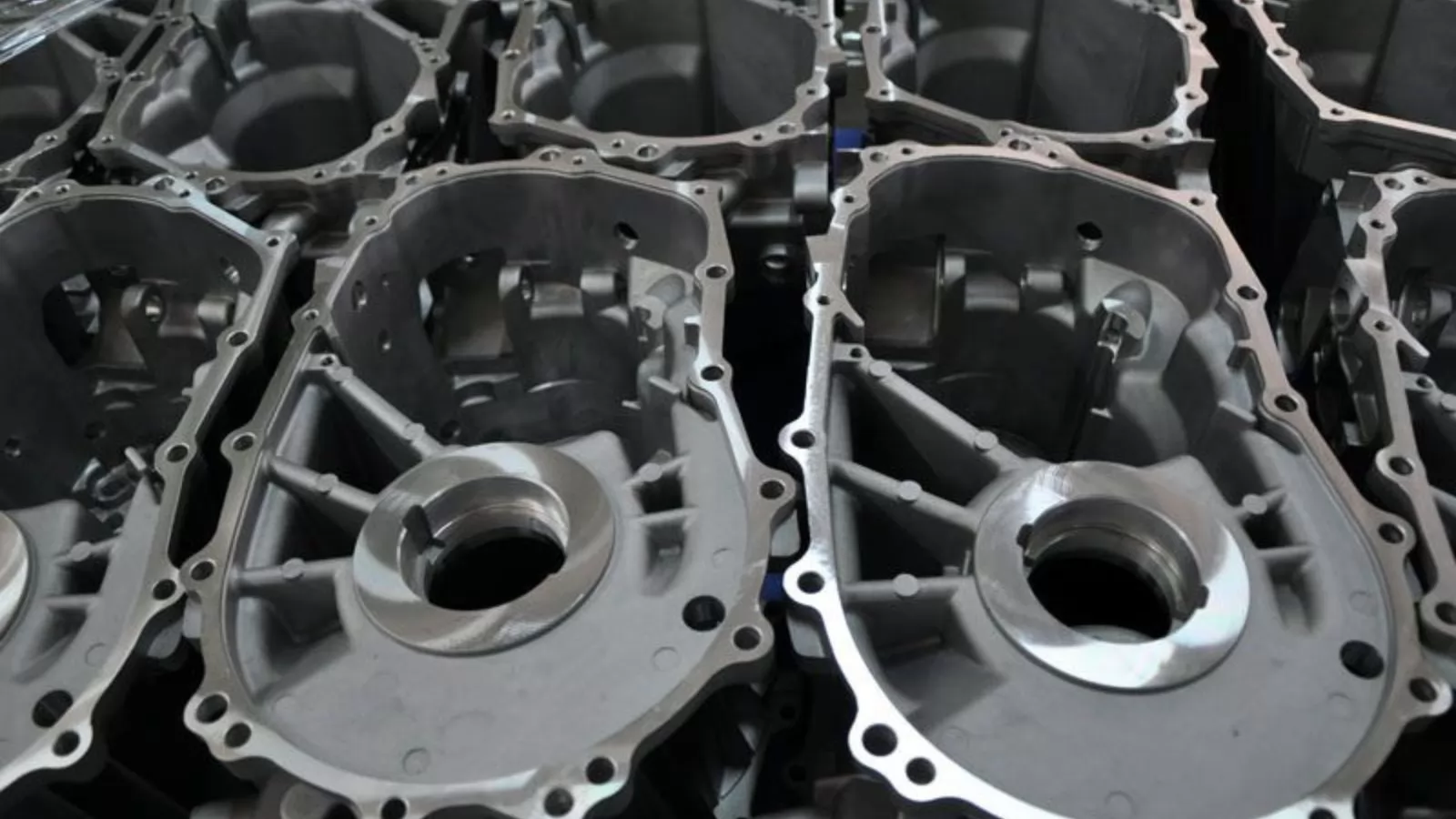
Aluminum is the most widely used material in die casting. It accounts for the largest share of global die casting output, and for good reason: aluminum alloys offer a well-rounded combination of light weight, mechanical strength, corrosion resistance, and thermal conductivity that few other metals can match. They are processed in cold-chamber die casting machines, typically at melt temperatures between 580 °C and 630 °C. For a deeper breakdown of cost factors, see aluminum die casting cost analysis.
Beyond the cast part itself, aluminum's compatibility with a wide range of surface treatments — anodizing, powder coating, chromate conversion — makes it a practical choice for both functional and aesthetic applications.
Common Aluminium Die Casting Material Grades
Different grades are formulated to emphasize specific properties. The table below summarizes the most widely used aluminium die casting alloys across North American (ASTM/AA), European (EN), and Japanese (JIS) standards.
| Alloy | Common Designations | Tensile Strength (MPa) | Hardness (HB) | Key Characteristics |
|---|---|---|---|---|
| A380 | ADC10, AC 46500, AlSi8Cu3 | ~317 | 80 | Best overall castability; general-purpose workhorse |
| A383 | ADC12, AC 46100, AlSi11Cu3 | ~310 | 75 | Excellent fluidity for complex, thin-walled parts |
| A360 | AlSi10Mg | ~317 | 75 | Superior corrosion resistance and pressure tightness |
| A413 | AlSi12, AC 44300 | ~296 | 80 | Highest fluidity; pressure-tight hydraulic and food-grade applications |
| AlSi9Cu3(Fe) | EN AC-46000, DIN 226, ADC12 (approx.) | ~240–280 | 80–90 | Most common European automotive alloy; good strength and machinability |
| 390 | AlSi17Cu4Mg | ~317 | 120 | Exceptional wear resistance; automotive engine blocks and cylinder liners |
AlSi9Cu3(Fe) — The European Standard Alloy
AlSi9Cu3(Fe), designated EN AC-46000 under European standards, is the most prevalent aluminium die casting alloy in European automotive and industrial manufacturing. It balances castability, tensile strength, and machinability, making it the default choice for structural housings, gearboxes, and engine components produced at high volume.
Engineers working across multiple supply chains frequently need to identify the AlSi9Cu3 equivalent material in other standards systems. The table below provides the main cross-references.
| Standard | Designation |
|---|---|
| European (EN) | EN AC-46000 / AlSi9Cu3(Fe) |
| German (DIN) | DIN 226 / GD-AlSi9Cu3 |
| Japanese (JIS) | ADC12 (approximate equivalent) |
| North American (ASTM/AA) | A380 / A383 (approximate equivalents) |
| Chinese (GB) | YL112 |
The "(Fe)" suffix indicates controlled iron content, which affects ductility. Tighter Fe limits (typically ≤0.9%) are specified for structural applications, while standard grades allow up to 1.3% Fe — a cost-effective tolerance for general industrial use.
Typical Applications
Aluminium die cast parts appear throughout the automotive sector — engine brackets, transmission housings, oil pans, and valve bodies are all commonly produced from A380, ADC12, or AlSi9Cu3. In electronics and electrical equipment, aluminum's thermal conductivity makes it the material of choice for heat sinks, LED driver housings, and motor end caps. Aerospace and defense applications typically favor alloys with tighter composition control and post-cast heat treatment capability, such as A360 or AlSi10Mg.
Zinc Die Casting Materials
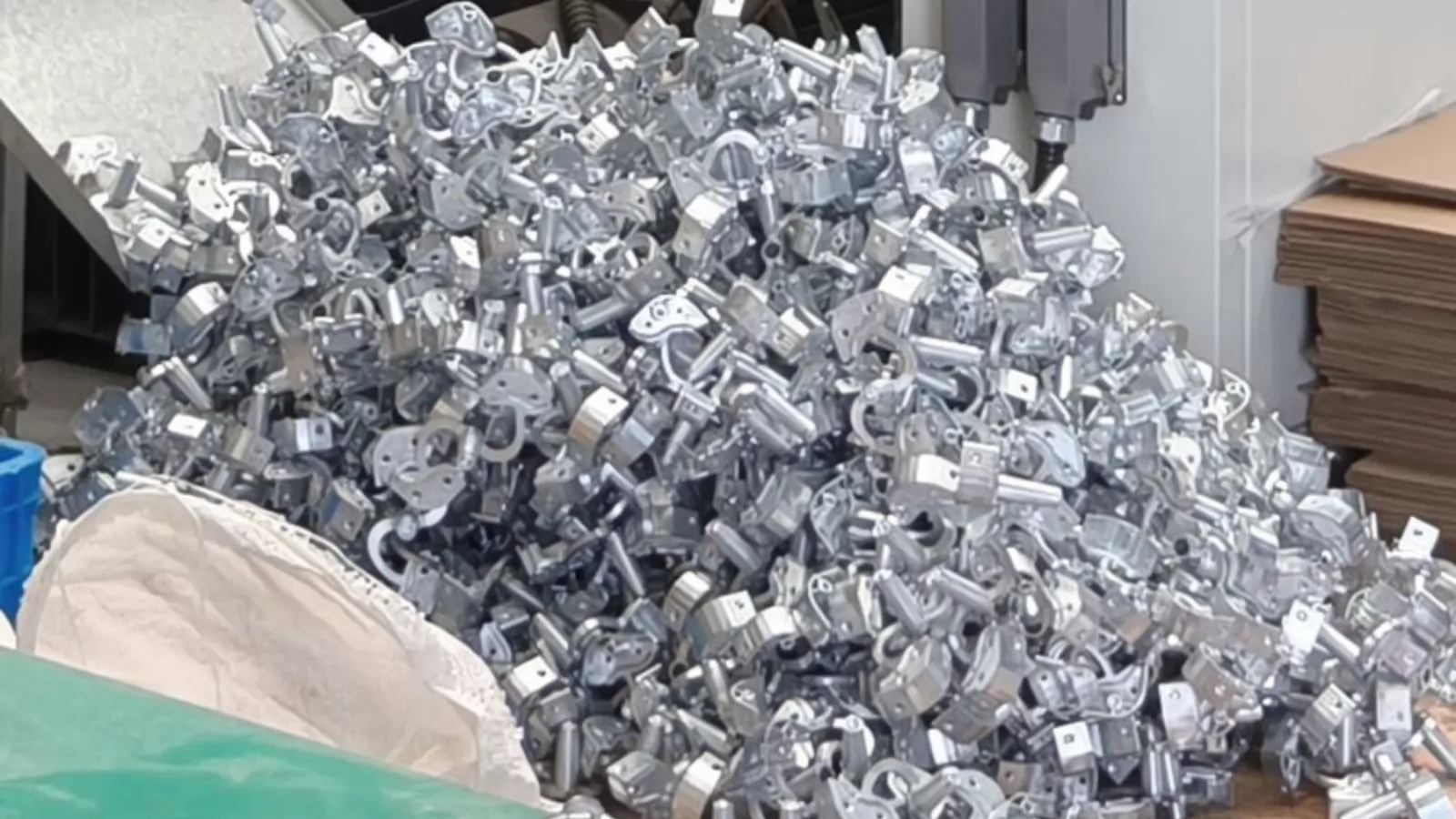
Zinc alloys are the most process-friendly of all die casting materials. Their low melting point — typically 380 to 420 °C — makes them well suited for hot-chamber die casting, enabling faster cycle times and longer die life compared to aluminum. Learn more about zinc die casting capabilities and applications.
Zinc is denser than aluminum (~6.6 g/cm³ vs ~2.7 g/cm³), so it is not the right choice where weight is a critical constraint. In applications where part mass is acceptable, however, zinc offers a compelling combination of strength, ductility, dimensional stability, and surface finish quality.
Zamak Alloys
The Zamak family — a contraction of the German words for zinc, aluminum, magnesium, and copper (Zink, Aluminum, Magnesium, Kupfer) — represents the most widely used zinc die casting alloys worldwide. All Zamak alloys contain approximately 4% aluminum as the primary alloying element, with varying amounts of copper and other additions.
| Alloy | Common Designation | Tensile Strength (MPa) | Elongation (%) | Hardness (HB) | Notes |
|---|---|---|---|---|---|
| Zamak 2 | ZnAl4Cu3 | 359 | 7 | 100 | Highest strength in the Zamak family; added copper content |
| Zamak 3 | ZnAl4 | 283 | 10 | 82 | Most widely used zinc die cast material globally; benchmark for dimensional stability |
| Zamak 5 | ZnAl4Cu1 | 328 | 7 | 91 | Higher strength than Zamak 3; good impact resistance and castability |
| Zamak 7 | ZnAl4Ni | 283 | 13 | 80 | Highest ductility; excellent fluidity for intricate geometries |
Zamak 3 — The Industry Standard
Zamak 3 is the reference zinc die casting alloy. In North America, it accounts for more than two-thirds of all zinc die castings produced. Its composition — nominally 96% zinc, 4% aluminum, with trace magnesium — delivers a well-balanced profile: good strength, high ductility (10% elongation), excellent dimensional stability, and straightforward hot-chamber processability.
Zamak 3 is the first choice for parts requiring tight tolerances, fine surface detail, or plating (zinc plating, chrome, nickel). Common applications include door hardware, electrical connectors, gears, toy components, and consumer product housings.
ZA Alloys — Higher Strength Zinc
The ZA (zinc-aluminum) alloy family contains higher aluminum content than Zamak, ranging from 8% (ZA-8) to 27% (ZA-27). Higher aluminum content increases strength and hardness but raises the melting point, affecting process compatibility:
- ZA-8 — can be hot-chamber cast; good strength and bearing properties
- ZA-12 — cold-chamber preferred; higher strength, good pressure tightness
- ZA-27 — cold-chamber only; the highest-strength zinc alloy available, approaching aluminum-level performance
Typical Applications
Zinc die cast parts are found throughout automotive interiors (door handles, brackets, lock components), consumer electronics (connector housings, switches), plumbing hardware, and precision industrial components. The alloy's ability to be directly plated or painted without extensive pre-treatment makes it particularly attractive for visible, decorative applications.
Magnesium Die Casting Materials
Magnesium is the lightest structural metal used in die casting, with a density of approximately 1.77 g/cm³ — about 33% lighter than aluminum and less than a quarter the weight of steel. This exceptional weight advantage, combined with a good strength-to-weight ratio and outstanding machinability, makes magnesium alloys the material of choice when minimizing component mass is the primary engineering objective.
Magnesium alloys can be processed in both hot-chamber and cold-chamber die casting machines, though dedicated hot-chamber equipment is more common for production efficiency. The melt temperature is around 650 °C, and the material's reactivity requires inert gas shielding during melting and transfer to prevent oxidation.
Common Magnesium Die Casting Alloys
| Alloy | Tensile Strength (MPa) | Elongation (%) | Density (g/cm³) | Key Characteristics |
|---|---|---|---|---|
| AZ91D | ~230 | 3 | 1.81 | Most widely used; best overall castability, corrosion resistance, and strength balance |
| AM60B | ~220 | 8 | 1.79 | Higher ductility than AZ91D; energy-absorbing automotive structural parts |
| AM50A | ~200 | 10 | 1.77 | Best ductility; crash-relevant automotive components |
| AS41B | ~210 | 4 | 1.77 | Improved elevated-temperature performance; engine-adjacent components |
Properties and Practical Considerations
AZ91D is the dominant magnesium die casting alloy globally, chosen for its well-established casting behavior and reliable mechanical properties. For applications requiring impact energy absorption — automotive seat frames, steering column components, instrument panel structures — AM60B and AM50A offer better ductility at a modest reduction in yield strength.
Magnesium's machinability is among the best of any structural metal. It cuts cleanly, generates low tool wear, and allows high material removal rates. This is a practical advantage for die cast parts that require secondary machining operations, as it reduces processing time and cost.
One important consideration is corrosion resistance. Magnesium alloys are more susceptible to galvanic and general corrosion than aluminum, and surface protection — typically conversion coating, paint, or anodizing — is required for most outdoor or humid service conditions. Magnesium's flammability in fine chip or powder form also requires proper housekeeping and fire control protocols during machining.
Typical Applications
The automotive industry is the primary consumer of magnesium die castings, using the material for structural components where weight reduction directly contributes to fuel economy. Explore related automotive casting applications and lightweight design trends.
Other Die Casting Alloys
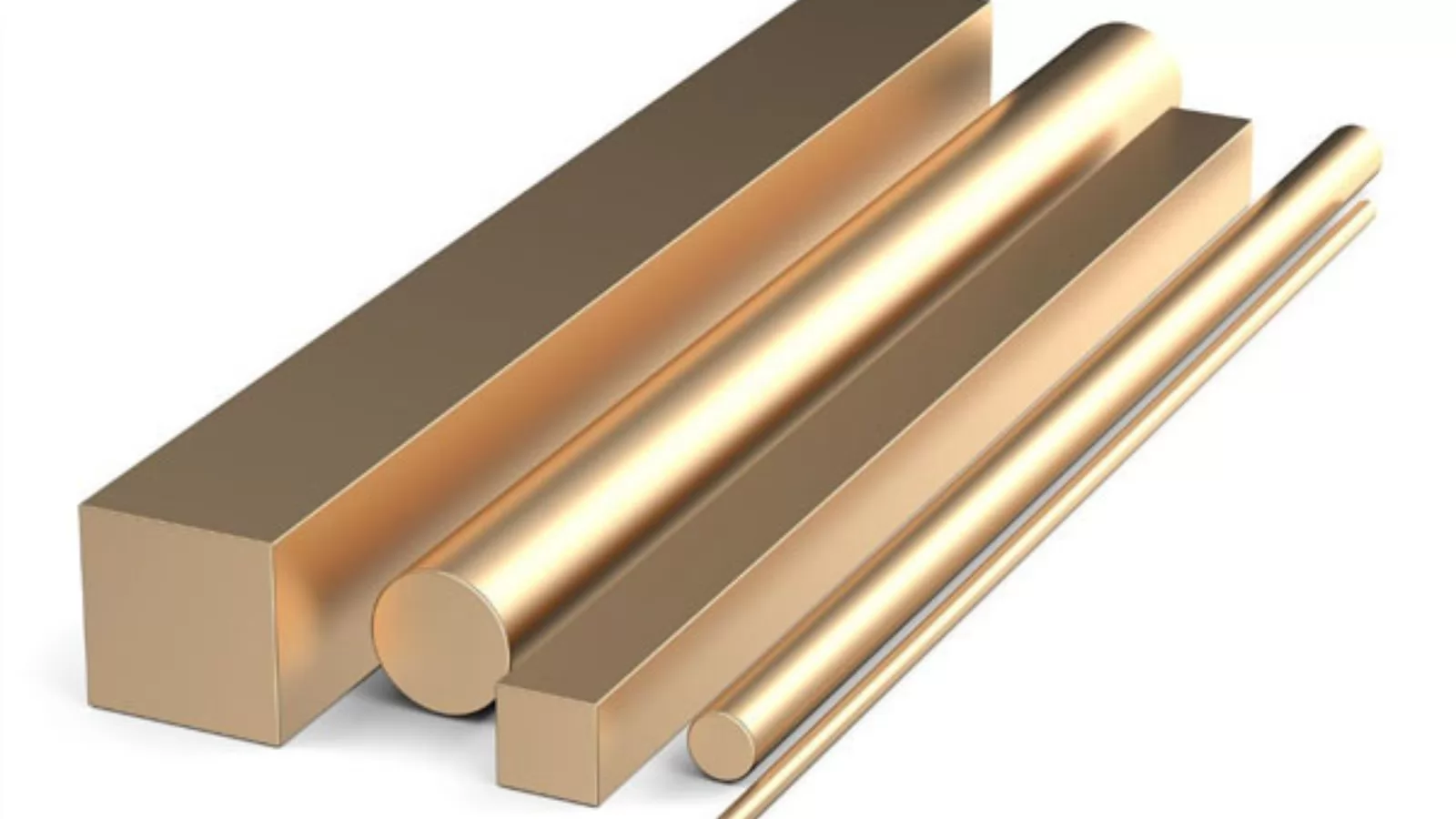
While aluminum, zinc, and magnesium account for the vast majority of die casting production, several other alloys are used in specialized applications where specific properties — electrical conductivity, density, corrosion behavior, or low melting point — make them the technically correct choice.
Copper Alloys
Copper-based alloys, primarily brasses (copper-zinc) and silicon bronzes, offer the highest strength and hardness of any die casting material, along with excellent corrosion resistance and superior electrical and thermal conductivity. These properties make copper alloys suitable for electrical connectors, plumbing fittings, marine hardware, and components in corrosive chemical environments.
The trade-off is significant: copper alloys melt above 900 °C, far higher than aluminum or zinc. This places extreme thermal stress on the die, reducing tool life substantially and driving up tooling and maintenance costs. Cold-chamber machines with robust H13 or Inconel tooling are required. As a result, copper alloy die casting is reserved for applications where no other material can meet the performance specification.
Lead and Tin Alloys
Lead and tin alloys have very low melting points and can be processed in hot-chamber machines with minimal equipment wear. Their high density and dimensional stability make them useful for radiation shielding components, counterweights, and certain electrical applications. Tin-based alloys (pewter, Babbitt metals) are used in bearing applications and decorative castings.
Both metals face significant regulatory restrictions in consumer-facing products. RoHS, REACH, and other environmental regulations prohibit or strictly limit lead content in electronics and many industrial products. Their use today is largely confined to industrial, military, and specialty applications where exemptions apply.
Zinc-Aluminum (ZA) Alloys
As noted in the zinc section, ZA alloys with higher aluminum content (ZA-12, ZA-27) bridge the performance gap between standard zinc and aluminum die casting. ZA-27 in particular — with tensile strength approaching 400 MPa and hardness around 120 HB — offers structural performance comparable to some aluminum grades while retaining zinc's natural corrosion resistance and surface finishing characteristics. These alloys are used for bearing surfaces, bushings, structural brackets, and other components requiring zinc-level detail combined with aluminum-level mechanical performance.
Die Casting Alloy Comparison
The table below provides a side-by-side comparison of the primary die casting alloy families to support material selection decisions.
| Property | Aluminum (A380) | Zinc (Zamak 3) | Magnesium (AZ91D) | Copper (Brass) |
|---|---|---|---|---|
| Density (g/cm³) | 2.71 | 6.60 | 1.81 | ~8.5 |
| Tensile Strength (MPa) | 317 | 283 | 230 | ~415 |
| Melting Point (°C) | 580–620 | 380–420 | ~650 | 900–1000 |
| Casting Process | Cold-chamber | Hot-chamber | Hot- or cold-chamber | Cold-chamber |
| Corrosion Resistance | Good | Good | Fair (needs coating) | Excellent |
| Min. Wall Thickness (mm) | 0.8–1.0 | 0.3–0.5 | 0.8–1.2 | 1.5–2.0 |
| Relative Die Life | Medium | High | Medium-High | Low |
| Typical Applications | Automotive, electronics, industrial | Hardware, connectors, decorative | Automotive, electronics, aerospace | Electrical, plumbing, marine |
Die Casting Mold & Tooling Materials
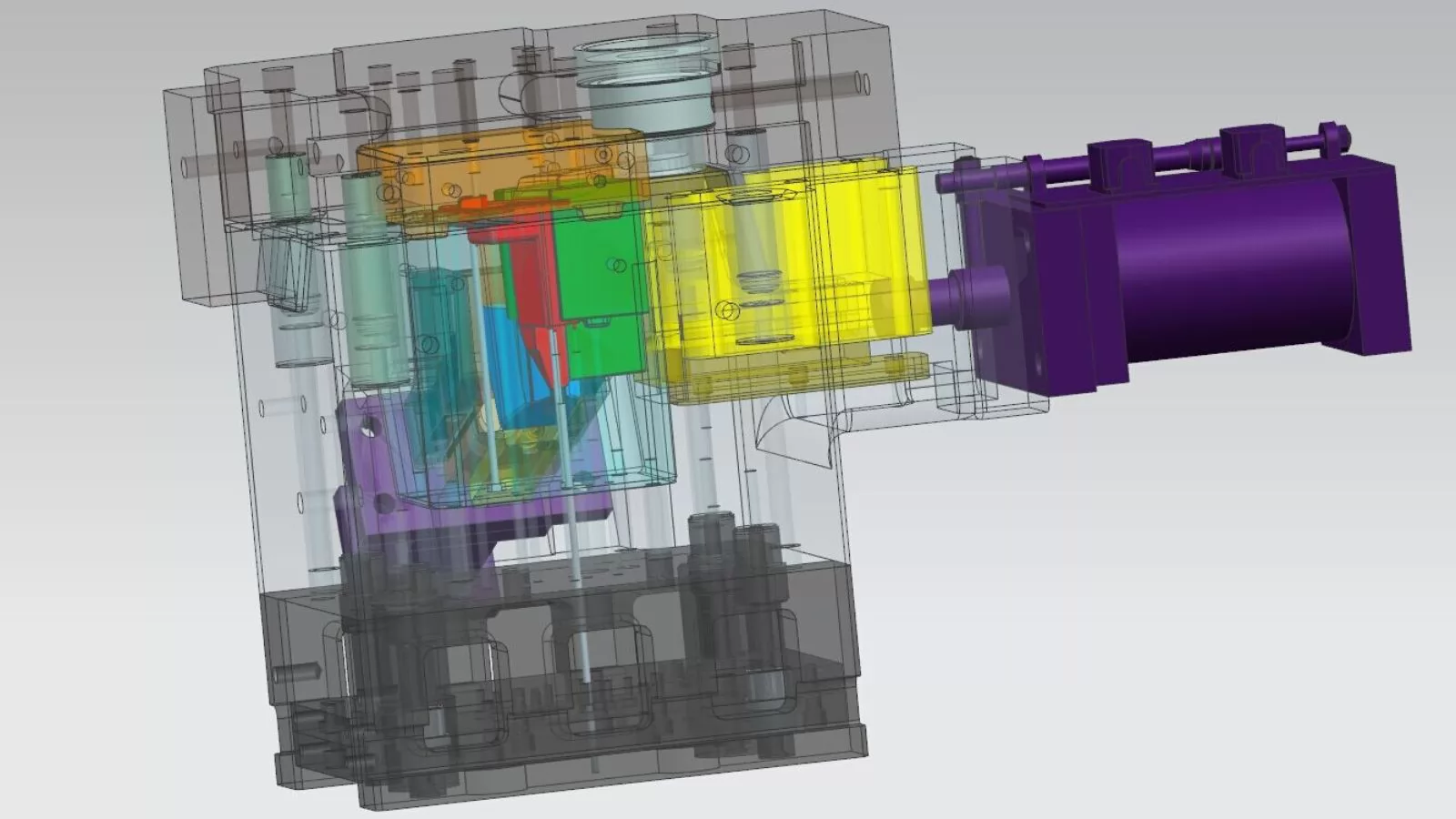
The performance of a die casting operation depends not only on the alloy being cast, but equally on the materials used to build the die itself. A die casting mold must endure tens of thousands — sometimes hundreds of thousands — of cycles, each involving rapid injection of molten metal at high pressure, extreme thermal cycling, and mechanical stress from clamping and ejection. Selecting the right die casting mold material is therefore a critical engineering decision that directly affects tool life, part quality, and production economics. For more insights into tooling design and cost, visit die casting tooling solutions and our mold cost guide
Tooling materials for die casting fall into two broad categories: the primary die steels used for the main cavity and core blocks, and specialty materials used for inserts, cores, and components that require specific thermal or mechanical properties.
H13 Steel — The Industry Standard Die Material
H13 is the most widely used die casting tool material across all alloy types. It is a chromium-molybdenum-vanadium hot-work tool steel with an outstanding combination of toughness, thermal fatigue resistance, and elevated-temperature strength — precisely the properties demanded by the die casting environment.
| Property | Value |
|---|---|
| International designations | 1.2344 (EU), X40CrMoV5-1 (Germany), SKD61 (Japan), 4Cr5MoSiV1 (China) |
| Tensile strength | 1,400–1,700 MPa |
| Yield strength | 1,000–1,300 MPa |
| Hardness | 45–50 HRC (die casting service condition) |
| Thermal conductivity | 27.3 W/m·K |
| Density | 7.8 g/cm³ |
H13 is used for cavity blocks, core blocks, slides, gate inserts, and most other primary die components. It is typically heat-treated to 44–48 HRC for aluminum die casting and slightly higher for zinc. Premium variants such as H13X offer improved cleanliness and refined carbide distribution for applications demanding extended die life, often exceeding 150,000 shots in aluminum casting.
P20 Steel
P20 is a pre-hardened tool steel supplied at 28–32 HRC, making it ready for machining without the need for post-machining heat treatment. While it lacks the thermal fatigue resistance of H13, it is commonly used for prototype tooling, low-volume production dies, and die casting mold components that do not directly contact the melt.
| Property | Value |
|---|---|
| International designations | 1.2311 (EU), DIN 1.2311 (Germany) |
| Tensile strength | 750–1,000 MPa |
| Yield strength | 500–700 MPa |
| Hardness | 28–32 HRC |
| Thermal conductivity | 24 W/m·K |
| Density | 7.8 g/cm³ |
D2 Steel
D2 is a high-carbon, high-chromium cold-work tool steel offering exceptional wear resistance and hardness. In die casting, it is used for wear-critical inserts and components exposed to abrasive flow — such as gate liners and runner inserts — rather than as a primary cavity material. Its lower toughness compared to H13 makes it unsuitable for main die blocks subject to thermal shock.
| Property | Value |
|---|---|
| International designations | 1.2379 (EU), X153CrMoV12 (Germany) |
| Tensile strength | 1,600–1,900 MPa |
| Hardness | 55–60 HRC |
| Thermal conductivity | 25 W/m·K |
| Density | 7.7 g/cm³ |
Beryllium Copper
Beryllium copper (CuBe2, UNS C17200) is used selectively in die casting tooling for its outstanding thermal conductivity — 120 to 160 W/m·K, roughly five times that of H13. This makes it highly effective as a material for mold inserts in areas where rapid, localized heat extraction is required: deep cores, thin ribs, and sections prone to hot spots or shrinkage porosity. By drawing heat away more quickly than steel, beryllium copper inserts can improve cycle time and part quality in targeted areas of the die.
| Property | Value |
|---|---|
| Designations | CuBe2, UNS C17200 |
| Tensile strength | 500–800 MPa |
| Hardness | 30–40 HRC |
| Thermal conductivity | 120–160 W/m·K |
| Density | 8.2 g/cm³ |
Beryllium copper is not used for primary die blocks due to its lower hardness and strength relative to H13. Its cost is also considerably higher. Handling of beryllium-containing materials requires appropriate health and safety precautions, as beryllium dust is hazardous.
Other Tooling Materials
Several additional materials are used in specific die casting tooling roles:
Tool Steel S7 (1.2714, 45–55 HRC) is a shock-resistant steel used for components subject to impact loading — ejector pins, wedge locks, and other dynamic tooling elements where fracture toughness takes priority over wear resistance.
Tungsten Carbide (70–85 HRC, thermal conductivity ~150 W/m·K) is reserved for the most demanding wear applications: gate inserts in high-volume aluminum casting, and any location where erosion from high-velocity molten metal would rapidly consume a steel insert. Its extreme hardness and brittleness make it unsuitable for large components or shock-loaded applications.
Inconel 718 (35–45 HRC, tensile strength 1,300–1,700 MPa) is a nickel superalloy used where both high temperature resistance and corrosion resistance are required simultaneously — most commonly in copper alloy die casting, where melt temperatures exceed 900 °C and standard tool steels degrade rapidly.
Tooling Material Comparison
| Material | Tensile Strength (MPa) | Hardness (HRC) | Thermal Conductivity (W/m·K) | Density (g/cm³) | Primary Application |
|---|---|---|---|---|---|
| H13 Steel | 1,400–1,700 | 45–50 | 27.3 | 7.8 | Cavity / core blocks; general die casting |
| P20 Steel | 750–1,000 | 28–32 | 24 | 7.8 | Prototype tooling; low-volume dies |
| D2 Steel | 1,600–1,900 | 55–60 | 25 | 7.7 | Wear-resistant inserts; gate liners |
| Beryllium Copper | 500–800 | 30–40 | 120–160 | 8.2 | High-conductivity inserts; deep cores |
| Tool Steel S7 | 1,400–1,800 | 45–55 | 20 | 7.8 | Shock-resistant components; ejector pins |
| Tungsten Carbide | 3,000–4,500 | 70–85 | 150 | 14.0 | Extreme wear locations; gate inserts |
| Inconel 718 | 1,300–1,700 | 35–45 | 11.4 | 8.9 | Copper alloy casting; high-temperature dies |
Shot Sleeve and Plunger Tip Materials
In cold-chamber die casting, the shot sleeve is the component into which molten aluminum (or other alloy) is ladled before injection. It is among the most thermally and mechanically stressed components in the entire machine, exposed to rapid temperature swings from ambient to above 650 °C with every shot, combined with the erosive action of fast-moving molten metal and the mechanical load of the plunger.
Shot sleeves are typically manufactured from premium H13 or equivalent hot-work steel, often with a nitrided bore surface to improve wear and soldering resistance. Some high-volume operations use bi-metallic sleeve designs with a harder inner liner. Plunger tips — which directly contact the melt on every shot — are commonly made from beryllium copper or tool steel, with the choice depending on thermal management requirements and replacement cost strategy.
Surface Treatments for Die Tooling
Surface treatment extends the working life of die casting tooling and improves part quality. Common finishing options include anodizing, powder coating, and plating. Learn more about surface finishing processes used in die casting.
- Nitriding — diffuses nitrogen into the steel surface, creating a hard layer (typically 0.1–0.3 mm) that resists wear and thermal fatigue without significantly affecting core toughness
- PVD coating — physical vapor deposition of hard ceramic films (TiN, TiAlN, CrN) at 2–5 μm thickness; improves surface hardness and reduces aluminum soldering
- Shot peening — induces compressive residual stress in the die surface, improving resistance to thermal fatigue cracking
- Hard chrome or nickel plating — used selectively for corrosion protection and surface finish improvement in non-critical areas
Die Casting Material Selection Guide
Choosing the right die casting material requires balancing part performance requirements against process constraints. For a direct comparison, see zinc vs aluminum die casting to better understand trade-offs.
Selection by Part Requirements
| Primary Requirement | Recommended Material | Reason |
|---|---|---|
| Minimum weight | Magnesium (AZ91D, AM60B) | Lowest density of any structural die casting alloy |
| Lightweight + structural strength | Aluminum (A380, AlSi9Cu3) | Best strength-to-weight ratio with established production infrastructure |
| Fine detail + thin walls | Zinc (Zamak 3, Zamak 7) | Highest fluidity; walls down to 0.3 mm achievable |
| High production volume + low die cost per shot | Zinc (Zamak 3) | Hot-chamber process; longest die life of common die casting alloys |
| Heat dissipation | Aluminum (A380, A360, AlSi10Mg) | Thermal conductivity 96–113 W/m·K; standard for heat sinks and thermal housings |
| Corrosion resistance without coating | Aluminum (A360) or Zinc | Both form protective oxide layers; A360 superior in aggressive environments |
| Electrical / thermal conductivity (extreme) | Copper alloys | Unmatched conductivity; justified only where no other material qualifies |
| Decorative plating + surface finish | Zinc (Zamak 3, Zamak 5) | Zinc accepts electroplating directly without extensive pre-treatment |
| Elevated temperature service | Aluminum (A380) or Mg (AS41B) | Better elevated-temperature strength retention than zinc |
Hot-Chamber vs. Cold-Chamber Material Selection
Process compatibility is a hard constraint in material selection. Materials suitable for hot-chamber die casting must have a melting point low enough not to attack the submerged injection system, and must not dissolve or alloy with the ferrous components of the machine.
| Process | Compatible Materials | Typical Cycle Time | Relative Tooling Life |
|---|---|---|---|
| Hot-chamber | Zinc (all Zamak grades, ZA-8), Magnesium, Lead, Tin | Fast (400–900 shots/hr) | Longest — lower melt temperature reduces thermal fatigue |
| Cold-chamber | Aluminum (all grades), Magnesium, Copper alloys, ZA-12, ZA-27 | Moderate (100–300 shots/hr) | Shorter — higher melt temperatures accelerate die wear |
Matching Tooling Material to Cast Alloy
The die material must be matched to the thermal and chemical demands of the alloy being cast. Higher casting temperatures and more aggressive alloys require tougher, more heat-resistant tool steels — and may justify the use of specialized inserts or coatings to achieve acceptable die life.
| Cast Alloy | Recommended Die Material | Typical Die Life (shots) |
|---|---|---|
| Zinc alloys | H13 (lower hardness acceptable), P20 viable for prototypes | 500,000–1,000,000+ |
| Aluminum alloys | Premium H13 (1.2344), nitrided; BeCu inserts for hot spots | 80,000–150,000 |
| Magnesium alloys | H13, similar to aluminum; protective coatings recommended | 100,000–200,000 |
| Copper alloys | Inconel 718; H13 with aggressive surface treatment | 15,000–40,000 |
Production Volume and Cost Considerations
Die casting tooling is a significant upfront investment, and material selection should account for the expected production volume and cost per part at that volume. For low-volume programs, a less expensive alloy that is easier and cheaper to tool for — such as zinc — may deliver a better total cost of ownership even if it is not the lightest or strongest option. For high-volume automotive programs where alloy performance drives vehicle-level metrics (weight, fuel economy, crash performance), the tooling investment in premium H13 dies for aluminum or magnesium casting is readily justified.
Raw material cost, scrap recoverability, secondary machining requirements, and surface finishing costs all contribute to the final per-part cost. Zinc's elimination of most secondary operations and long die life often makes it cost-competitive with aluminum for small, high-volume parts despite its higher density and alloy price per kilogram.
Summary: Choosing the Right Die Casting Material
There is no universal answer to die casting material selection — the right material is the one that best satisfies the part's functional requirements within the constraints of the manufacturing process, production volume, and budget. As a general starting point:
- Choose aluminum for structural parts that need a good balance of strength, weight, and corrosion resistance, especially in automotive, electronics, and industrial applications.
- Choose zinc for small, detailed, high-volume parts where dimensional precision, surface finish, and long tooling life are priorities.
- Choose magnesium when weight reduction is the primary driver and the part geometry and production volume justify the process requirements.
- Choose copper alloys only when electrical or thermal conductivity, or extreme corrosion resistance, cannot be achieved by any other die casting material.
For tooling, H13 steel is the correct default for the majority of applications. Specialty materials — beryllium copper, tungsten carbide, Inconel — should be introduced selectively where standard die steel cannot meet the specific thermal or wear demands of a particular die zone or cast alloy.
Conclusion
Die casting materials fall into two categories: the alloys cast into parts, and the tool steels used to build the dies. Among cast alloys, aluminum (A380, ADC12, AlSi9Cu3) leads in global volume for its balance of strength, weight, and thermal conductivity; zinc (Zamak 3, Zamak 5) excels for high-volume, fine-detail, and decorative parts processed in hot-chamber machines; and magnesium (AZ91D, AM60B) is chosen when minimum weight is the overriding requirement. Copper, lead, and tin alloys serve specialized roles where conductivity, density, or low melting point cannot be substituted.
On the tooling side, H13 tool steel (1.2344 / SKD61) is the industry standard for die cavity and core components across all alloy types, offering the best balance of thermal fatigue resistance, toughness, and hardness. Beryllium copper inserts improve localized heat extraction; tungsten carbide handles extreme gate wear; Inconel 718 is reserved for high-temperature copper alloy casting. Surface treatments — nitriding, PVD coating, shot peening — extend die life and reduce soldering across all applications. Matching the right cast alloy to the right die material, informed by production volume and part requirements, is the central discipline this guide is designed to support.
Frequently Asked Questions about Die Casting Materials
Below are answers to the most common questions about selecting and specifying die casting materials.
Q: What materials are used in die casting?
The most common die casting materials are aluminum, zinc, and magnesium alloys. Aluminum (A380, ADC12, AlSi9Cu3) is the most widely used, processed in cold-chamber machines. Zinc alloys (Zamak family) run in hot-chamber machines and excel at fine detail and high volume. Magnesium is chosen when minimum weight is the priority. Copper, lead, and tin alloys cover specialized applications.
Q: What is the difference between aluminum and zinc die casting?
Aluminum is lighter (~2.7 g/cm³), stronger, and better for thermal applications, but requires cold-chamber processing and results in shorter die life. Zinc runs in hot-chamber machines with faster cycles, achieves thinner walls (down to 0.3 mm), and offers much longer die life — but is denser (~6.6 g/cm³). Aluminum suits structural and thermal parts; zinc suits small, detailed, decorative, or high-volume hardware.
Q: What is Zamak 3 and why is it so widely used?
Zamak 3 is a zinc alloy containing approximately 4% aluminum with trace magnesium. It is the most commonly used zinc die casting material globally, valued for its excellent dimensional stability, good strength, high ductility, and ease of plating. In North America it accounts for over two-thirds of all zinc die castings. Typical applications include door hardware, connectors, gears, and consumer product housings.
Q: What is the AlSi9Cu3 equivalent in other standards?
AlSi9Cu3 (EN AC-46000) is the dominant European aluminum die casting alloy. Its equivalents are: ADC12 (JIS/Japan), approximately A380 or A383 (ASTM/North America), GD-AlSi9Cu3 (DIN/Germany), and YL112 (GB/China). Composition limits vary slightly between standards, so mechanical property requirements should always be verified before substituting.
Q: What material is used for die casting molds?
H13 tool steel (1.2344 / SKD61) is the industry standard for die casting molds, offering the best balance of toughness, thermal fatigue resistance, and hardness (44–48 HRC). P20 is used for prototype or low-volume tooling. Beryllium copper inserts are added where local heat extraction is critical, and tungsten carbide is used at high-wear gate locations.
Q: What materials can be used in hot-chamber die casting?
Hot-chamber die casting is limited to low-melting-point alloys that do not attack the submerged injection system: zinc alloys (all Zamak grades, ZA-8) and magnesium alloys in dedicated equipment. Aluminum cannot be used in hot-chamber machines — its higher melt temperature would rapidly erode the ferrous components.
Q: When should I choose magnesium over aluminum?
Choose magnesium when weight reduction is the overriding requirement. At ~1.77 g/cm³, it is about 33% lighter than aluminum and offers excellent machinability. The trade-offs are lower corrosion resistance (surface coating is usually required) and more demanding process safety requirements. For most general applications where both weight and cost matter, aluminum is the more practical choice.
0
Comments
Leave a Comment
Your email address will not be published. Required fields are marked *
Name can't be empty
Email error!
Message can't be empty
😍
😜
😳
😌
😄
😘
😝
😒
😃
😚
😚
😛
😟
😧
😀
😉
😓
😱
😤
😣
😂
😥
😩
😠
😢
😭
😰
😨
😡
😆
😪
😅
😐
😇
😋
😴
👿
😕
😏
😷
😵
😟
😮
😯
😑
👧
👴
😧
😬
😾
👶
👱
👵
👸
🙀
👺
👦
👩
👨
😽
😿
🙈
💩
💥
💤
😼
😹
🙉
🔥
✨
💦
👎
✌
👆
👈
💪
💹
👍
👊
💴
💶
💷
💸
👉
💵
🙏
🌎
🏧
👏
💳
👇
💑
🙆
🙅
💁
👫
👭
🙎
🙇
👑
👔
Submit Comment
Most Popular
-
 Jan 30, 2026Aluminum Die Casting Cost Breakdown: From Material to Machining
 -
 Oct 22, 2025Top 10 Aluminium Die Casting Manufacturers and Suppliers in the World
 -
 Nov 26, 2025Top 10 Aluminium Low Pressure Die Casting Manufacturers in the World 2026
 -
 Dec 12, 2025Top 10 Aluminium Die Casting Manufacturers and Suppliers in China


Laster Blogs
-
 Mar 19, 2026Die Casting Materials: A Complete Guide to Alloys, Grades & Tooling Steels
 -
 Mar 18, 2026Billet vs Cast Explained: Strength, Cost, and Applications — Everything You Need to Know
 -
 Mar 16, 2026Know Your Casting Defects? 10 Causes and Remedies Every Die Casting Engineer Should Master
 -
 Mar 13, 2026Top 10 Precision Aluminium Investment Casting Factories and Manufacturers in China


Send RFQ Today
Name can't be empty
Email error!
Send Your Message
Note: If you are looking for a job, please send an email to it2@innovaw.com